Gypsum Ceiling Guide: SNI & ASTM, Board Thickness, Frame Spacing and Jointing
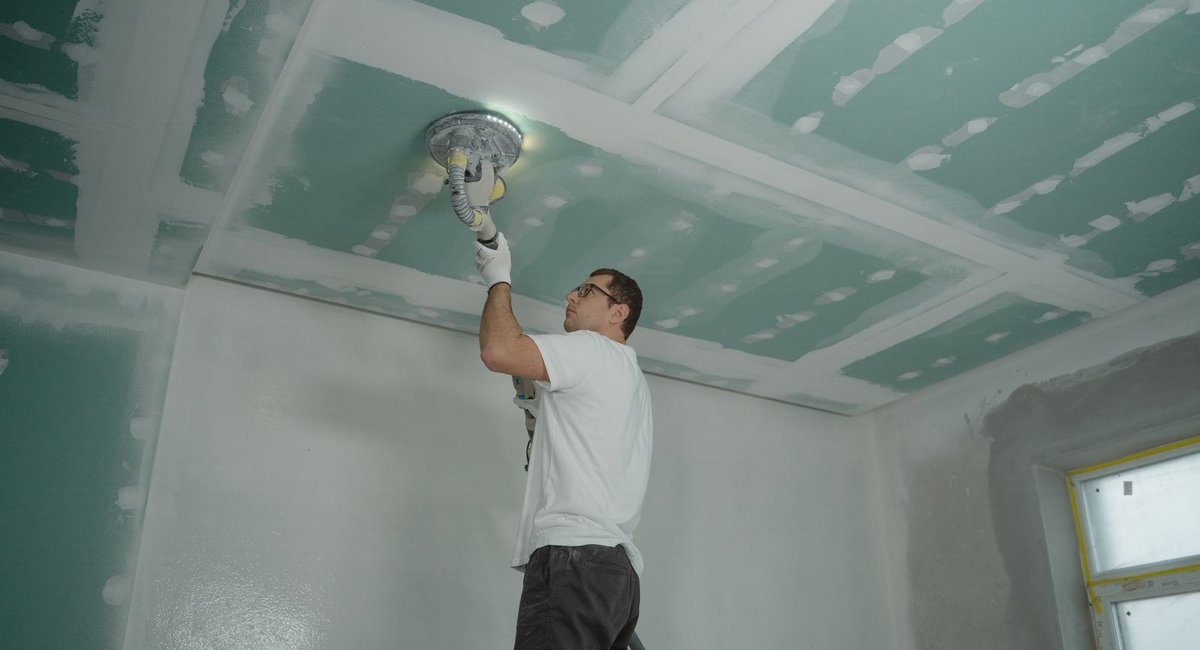
A neat, durable gypsum ceiling depends on board standards, thickness, frame spacing and joint finishing.
Why gypsum ceilings deserve careful selection
Gypsum ceilings are popular for houses, shophouses and offices because they are light, neat and easy to shape. Yet complaints such as sagging ceilings, cracked joints or water stains often appear within months. The cause is rarely "bad gypsum"; more often it is the wrong board, frames spaced too far apart, or careless joint finishing. This guide summarises the standards and good practice so you can compare gypsum prices fairly.
1. Standards to refer to
- SNI 03-6384-2000, Specification for Gypsum Panels and Boards. Certification bodies such as PT IAPMO Group Indonesia issue SNI mark certificates (SPPT SNI) for this product, with physical testing according to SNI 03-6434-2000.
- ASTM C1396/C1396M (United States). It describes gypsum board as a noncombustible gypsum core surfaced with paper. Tested properties include core, end and edge hardness, flexural strength, humidified deflection, nail pull resistance and surface water absorption.
ASTM C1396 also separates board types, for example gypsum wallboard for walls and ceilings, gypsum ceiling board for ceilings with framing spaced not more than 610 mm, and water-resistant backing board as a base for tiles. When buying, ask the manufacturer for technical data or a certificate; this matters more than the brand name alone.
2. Board sizes and thickness
The standard size on the market is 1.2 × 2.4 m (2.88 m² per sheet). 9 mm boards are widely used for ceilings because they are light, while 12 mm boards are chosen for partitions or surfaces that need more strength. Boards of 15 mm or more are generally used for fire-rated or acoustic walls. Example: a 4 × 6 m room = 24 m²; 24 ÷ 2.88 = 8.33, rounded up to 9 sheets. Keep some spare for cuts and light openings.
For damp areas such as kitchens, choose a water-resistant board. The Gypsum Association guideline GA-216 states that gypsum panels must not be used where there is direct exposure to water or continuous high humidity (such as saunas and steam rooms), nor where they are exposed to temperatures above 52 °C for long periods.
3. Frame and screw spacing
According to the GA-216 table for single-layer ceilings:
- 9.5 mm board installed perpendicular to framing: maximum framing spacing 406 mm.
- 12.7 mm board perpendicular: maximum 610 mm; parallel to framing: maximum 406 mm.
- Ceiling screws spaced no more than 300 mm apart, at least 10 mm from board edges, and penetrating steel framing by at least 10 mm.
- Screw heads driven slightly below the surface without breaking the face paper.
In Indonesia, hollow-section ceiling frames (for example 2×4 and 4×4 hollow) or metal furring frames are common. Make sure the framing is straight, and follow the spacing recommended by your board's manufacturer. Install ceilings before walls, stagger the board end joints, and butt boards together without forcing them. For long ceilings without perimeter relief, GA-216 requires control joints at no more than 9 m intervals.
4. Joint finishing with compound
- Apply joint compound to the joint, centre the paper tape, press it in and wipe off the excess, leaving enough compound under the tape for bonding.
- Apply the second coat about 90 mm either side of the joint centre.
- Feather the third coat to about 150 mm from the joint centre, then sand lightly with 120-grit or finer paper.
- Cover screw heads with three coats, each in a different direction, letting each coat dry first.
- Apply a proper drywall primer before painting.
5. Storage and checks on delivery
- Keep boards dry, stacked flat on risers on a level floor, protected from rain, direct sunlight and condensation.
- Remove the plastic shipping wrap as soon as the delivery arrives to prevent condensation and mould.
- Check edges and corners are undamaged and packaging shows the brand, standard and manufacturer.
6. Common problems and prevention
- Sagging: frames too far apart, boards installed parallel to the frames, or heavy insulation without extra support.
- Cracked joints: no tape, compound too thin, or joints not staggered.
- Stains: fix the roof leak or water source before replacing boards.
FAQ
Which is better for a house ceiling, 9 mm or 12 mm? 9 mm is common for ordinary ceilings when frames are closely spaced; 12 mm tolerates wider frame spacing.
homeX, a one-stop building materials and furniture service platform in Indonesia, supplies gypsum boards, hollow frames, screws and joint compound, backed by a showroom, warehousing and delivery. We help calculate material quantities, while on-site installation is done by the tukang of your choice.
Sources
- ASTM International — ASTM C1396/C1396M-17 Standard Specification for Gypsum Board
- Gypsum Association — GA-216-2016 Application and Finishing of Gypsum Panel Products (PDF)
- PT IAPMO Group Indonesia — Skema sertifikasi SPPT SNI 03-6384-2000 Spesifikasi Panel dan Papan Gipsum (PDF)
- GNET Indonesia — Ukuran Papan Gypsum dan Cara Hitung Total Kebutuhannya
Gypsum ceiling: related articles and products
Related articles:
- Light Steel Roof Truss Guide: Check SNI 8399:2017, AZ100 Coating and BMT vs TCT
- House Electrical Cable Guide: NYA vs NYM vs NYY, Sizes and PUIL Colour Code
- Concrete Roof and Bathroom Waterproofing: Material Types and Application Steps
Related building materials at homeX: