PPR Pipe PN10, PN16 and PN20: Temperature, Pressure and Fusion Times
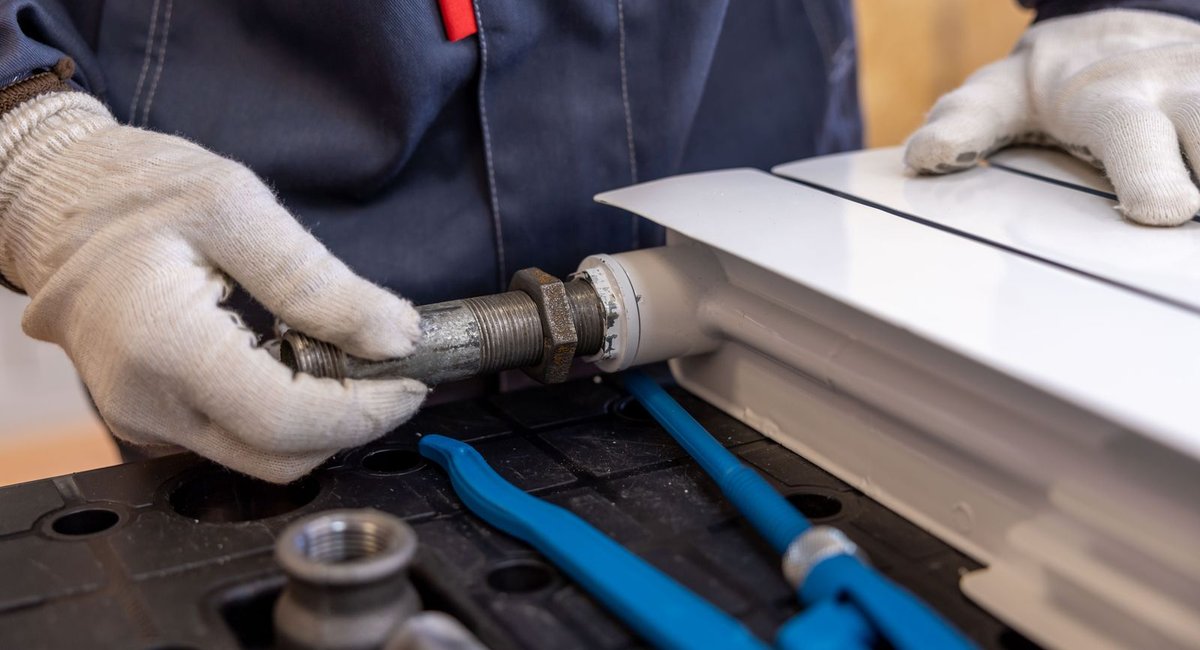
Choosing PPR pipe PN10, PN16 or PN20 decides whether a home hot-water line lasts or sags and leaks. In short, PN10 (blue line) is fine for pressurised cold water, while lines from a water heater should use PN16 (yellow line) or PN20 (red line), with a maximum working temperature of about 70°C. The quality of the heat-fusion joints matters as much as the pipe class.
Key Facts
- RUCIKA Kelen Green PN10 has a blue line for pressurised cold water, PN16 yellow for hot and cold water, and PN20 red for pressurised hot water (2026-10-31, source: RUCIKA, produk Kelen Green, accessed 31/10/2026).
- Rucika PPR pipes PN10–PN20 are used for water at 10–70°C and come in Ø20–160 mm, 4 m per length (2022-08-25, source: RUCIKA, Mengenal Lebih Jauh Pipa PPR Rucika Kelen Green (25/08/2022)).
- Wavin Ekoplastik PPR: PN10 in Ø20–125 mm, PN16 and PN20 in Ø16–125 mm, maximum 70°C, made to EN ISO 15874 and DIN 8077/8078 (2026-10-31, source: Wavin Indonesia, Leaflet Ekoplastik PPR (PDF), accessed 31/10/2026).
- Under the DVS 2207-11 table, a Ø20 mm pipe is heated for 5 seconds, aligned within 4 seconds and cooled for 2 minutes; Ø25 mm is heated for 7 seconds (2026-10-31, source: aquatherm UK, Heating element welding (DVS 2207-11), accessed 31/10/2026).
Difference between PPR PN10, PN16 and PN20
PN (pressure nominal) is the pressure class. The higher the PN, the thicker the wall for the same outside diameter, so the pipe holds more pressure at high temperature. Local makers print coloured lines that make checking easy in the shop:
- PN10 – blue line: pressurised cold water, such as the line from a tank or pump to the taps.
- PN16 – yellow line: hot and cold water.
- PN20 – red line: pressurised hot water, such as a water-heater outlet.
Kelen Green is made of random polypropylene type 3 (PP-R 80), and Rucika states that its pipes and fittings follow EN ISO 15874-2 and EN ISO 15874-3. The design life quoted by the maker is up to 50 years, provided the system is installed correctly.
Wall thickness and inner diameter
The Wavin leaflet gives the example of a Ø20 mm PPR pipe in series 2.5 with a 3.4 mm wall and a 13.2 mm inner diameter. Thick-walled high-class pipe therefore reduces the flow area. For long runs to an upstairs bathroom, discuss pipe size with your plumber or designer so the taps still get enough flow.
How to join PPR pipe by heat fusion
PPR pipe is joined with a heating tool (polyfusion or electrofusion) so pipe and fitting fuse into one piece. The DVS 2207 part 11 table quoted by aquatherm gives these reference times:
- Ø20 mm: heating 5 s, alignment 4 s, cooling 2 min, welding depth 14.5 mm.
- Ø25 mm: heating 7 s, alignment 4 s, cooling 2 min, depth 16 mm.
- Ø32 mm: heating 8 s, alignment 6 s, cooling 4 min, depth 18 mm.
The table comes from aquatherm's product guide, so always check it against the instructions of the pipe brand you use. Overheating lets the melt narrow the bore, while underheating leaves a weak joint. Mark the welding depth on the pipe before heating.
Expansion and sunlight
Wavin lists a linear expansion coefficient of 0.12 mm/mK for regular pipe. As an editorial calculation, a 4 m pipe that warms by 40°C can grow by about 19 mm, so long hot-water runs need room to move and suitable clamps. Rucika also stresses that PPR must not be exposed to direct sunlight because UV makes it brittle; protect it with rubber insulation, styrofoam plus aluminium, or a simple cover.
Test before closing up
Once every joint has cooled, run a pressure test following the manufacturer's instructions before the wall is plastered or tiled. A leak is far cheaper to fix while it is still exposed.
homeX, an Indonesian one-stop building materials and furniture service platform with a showroom, warehousing and delivery, supplies PPR pipes and fittings for renovation projects and can deliver them with your other materials.
PPR pipe PN10 PN16 PN20: related articles and products
- PPR pipe prices 2026: Rucika Kelen Green and Westpex
- Home clean-water piping installation cost per point
- Rucika PVC pipe prices, AW and D class
- PPR hot-water pipe S2.5 Ø20 mm 4 m
- PPR cold-water pipe S4 Ø20 mm 4 m
- homeX building materials catalogue
FAQ
Which PPR pipe should I use for a water heater? Use a hot-water class: PN16 (yellow line) or PN20 (red line). Blue-line PN10 is intended for cold water.
What is the maximum temperature for PPR pipe? Rucika and Wavin both give a limit of about 70°C for their PPR pipes.
How long do I heat a 20 mm PPR pipe when welding? According to the DVS 2207-11 table, 5 seconds of heating, 4 seconds of alignment and 2 minutes of cooling.
Need help choosing or delivering materials? Contact the homeX team on WhatsApp +62 821 1818 998, by email at homex9998@gmail.com or via the contact page.
Sources: RUCIKA, produk Kelen Green, accessed 31/10/2026; RUCIKA, Mengenal Lebih Jauh Pipa PPR Rucika Kelen Green (25/08/2022); Wavin Indonesia, Leaflet Ekoplastik PPR (PDF), accessed 31/10/2026; aquatherm UK, Heating element welding (DVS 2207-11), accessed 31/10/2026