MDF, Particleboard and OSB Classes: What P1–P7, MDF.H and OSB/3 Mean
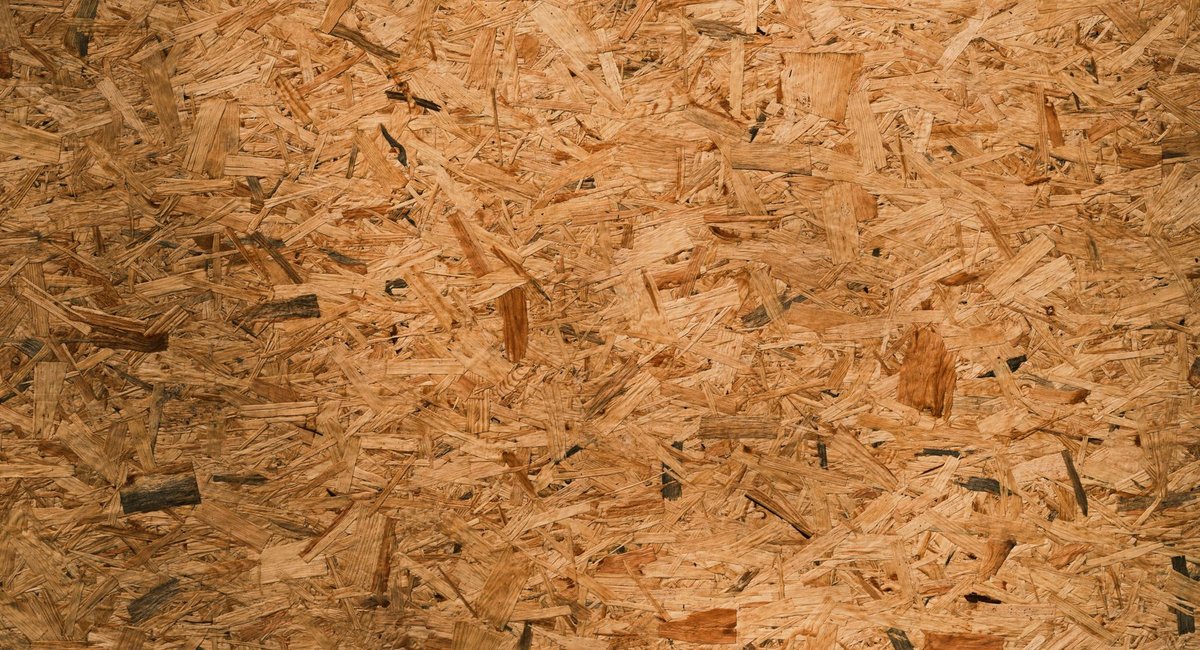
MDF and particleboard classes, along with OSB classes, are written as short codes in European standards that show the conditions of use and load-bearing ability. Particleboard uses P1–P7 (EN 312), MDF uses MDF, MDF.H, MDF.LA and MDF.HLS (EN 622-5), and OSB uses OSB/1–OSB/4 (EN 300). The letter H means humid conditions, not waterproof.
Key Facts
- EN 312 splits particleboard into P1–P7; P2 is for dry interior fitments and furniture, P3 for non-load-bearing humid use (2026-11-01, source: GreenSpec, technical classes of wood panels (accessed 1 Nov 2026)).
- EN 622-5: MDF general dry, MDF.H general humid, MDF.LA load-bearing dry, MDF.HLS load-bearing humid (2026-11-01, source: GreenSpec, technical classes of wood panels (accessed 1 Nov 2026)).
- EN 300: OSB/2 load-bearing dry, OSB/3 load-bearing humid, OSB/4 heavy-duty load-bearing humid (2026-11-01, source: GreenSpec, technical classes of wood panels (accessed 1 Nov 2026)).
- Exterior and fire-retardant MDF exist but are not covered by the European standards system (2026-11-01, source: GreenSpec, technical classes of wood panels (accessed 1 Nov 2026)).
- Particleboard is widely used for kitchen units and worktops with a veneered or laminated finish (2026-11-01, source: European Panel Federation (EPF), Particleboard page (accessed 1 Nov 2026)).
Why MDF and particleboard class codes matter
Kitchen sets, wardrobes and partitions in Indonesia rely heavily on engineered wood panels. From the outside, boards faced with HPL or melamine can look identical while their cores differ. Class codes help you judge whether a board suits dry rooms, humid rooms or load-bearing parts.
Particleboard (EN 312)
Particleboard is made from wood particles mixed with resin and hot-pressed. The European Panel Federation says it is widely used for kitchen units, worktops and bedroom furniture with a veneered or laminated finish.
- P1: general purpose, dry conditions.
- P2: interior fitments and furniture, dry conditions.
- P3: non-load-bearing, humid conditions.
- P4 and P5: load-bearing, dry and humid respectively.
- P6 and P7: heavy-duty load-bearing, dry and humid respectively.
MDF (EN 622-5)
MDF is medium-density fibreboard. The basic codes are MDF for general dry use, MDF.H for general humid use, MDF.LA for load-bearing dry use and MDF.HLS for load-bearing humid use. Lighter L-MDF and UL-MDF variants also exist. GreenSpec notes that exterior MDF and fire-retardant MDF are sold but are not covered by the European standards system, so ask the mill for test data.
OSB (EN 300)
OSB is made of oriented flat wood strands. OSB/1 is for general use and furniture in dry conditions, OSB/2 is load-bearing in dry conditions, OSB/3 is load-bearing in humid conditions and OSB/4 is heavy-duty load-bearing in humid conditions. OSB/3 is a common choice for framed walls, roof decking and raised floors.
Tips for tropical climates
For base kitchen cabinets and vanity units, choose a humid-class board such as P3 or MDF.H, or class 2 plywood. Remember that humid class does not mean it can sit in water: seal every cut edge with edging, and use sealant around sinks. Ask suppliers to state the class code, thickness, density and formaldehyde emission class on the quotation. homeX can help compare board quotes from several suppliers at once.
MDF and particleboard classes: related articles and products
- Plywood and MDF factories in Indonesia
- Kitchen set and cabinet prices
- Kitchen renovation cost per m²
- homeX building materials catalog
FAQ
Which board suits a cabinet under the sink? Choose a humid class such as P3, MDF.H or class 2 plywood, and seal every cut edge.
Is MDF.H waterproof? No. MDF.H is designed for humid conditions, not for soaking or constant contact with water.
What is the difference between OSB/2 and OSB/3? Both are load-bearing; OSB/2 is for dry conditions and OSB/3 for humid conditions.
For building and renovation material needs, reach the homeX team on WhatsApp +62 821 1818 998, by email at homex9998@gmail.com or through our contact page.
Sources: GreenSpec, technical classes of wood panels (accessed 1 Nov 2026); European Panel Federation (EPF), Particleboard page (accessed 1 Nov 2026)