Cement Coal Supply Shortfall: SIG Loses 1.7 Million Tonnes of Output
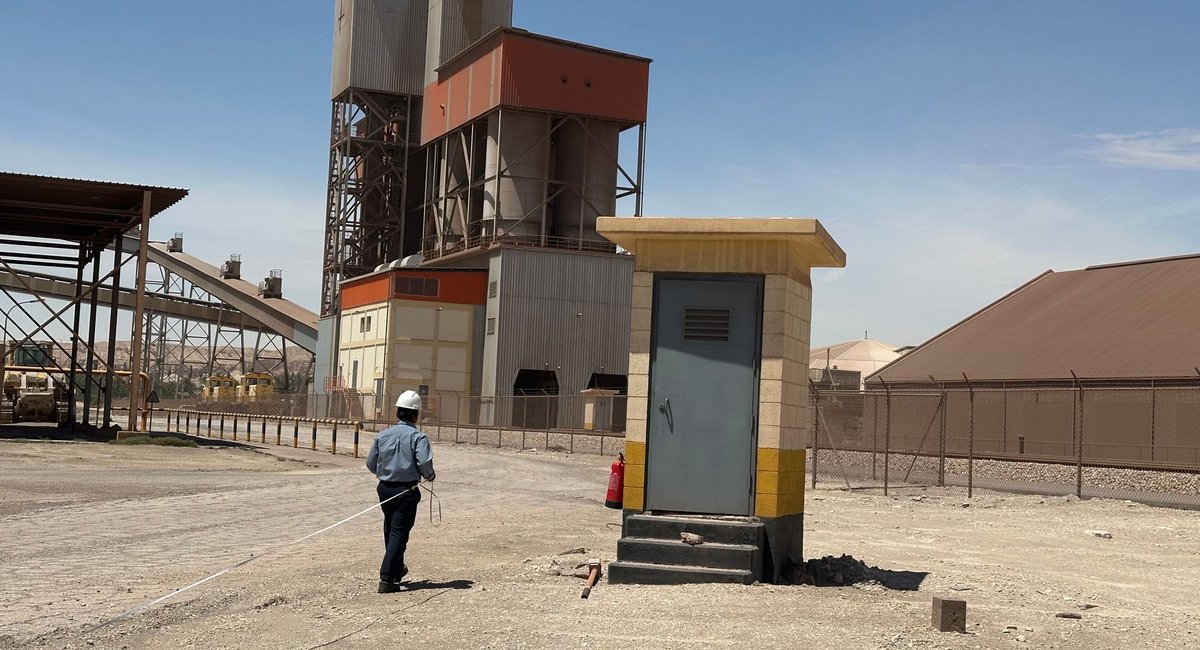
A cement coal supply shortfall has cost PT Semen Indonesia (Persero) Tbk (SIG) about 1.7 million tonnes of potential cement output in 2026, after kilns at several plants stopped more than ten times. SIG Human Capital Director Hadi Setiadi said so at the Minerba Convex event on 3 November 2026. Because national capacity far exceeds demand, there is no nationwide cement shortage, but regional supply may become uneven.
Key Facts
- SIG lost about 1.7 million tonnes of potential cement output this year because coal deliveries were late or unavailable (2026-11-03, source: Kontan).
- The cement industry needs about 15 million tonnes of coal a year, versus about 40 million tonnes for PLN power plants (2026-11-03, source: Kontan).
- National cement capacity is about 120 million tonnes a year, while domestic demand is about 62 million tonnes (2026-11-03, source: Kontan).
- Asperssi: coal stocks at most cement plants last only 2–3 days; non-state plants pay market prices up 39–40%, raising production costs by up to 20% (2026-09-18, source: Suar.id).
Why cement coal supply is stalling
According to Hadi, the issue is not a national coal shortage but the price gap. He cited 4,200 GAR coal under the domestic market obligation (DMO) scheme for certain industries at around US$47 per tonne, while export or commercial prices can exceed US$78 per tonne. Once miners have met their obligation to PLN, the remaining supply to cement plants is often neglected because the spread is too wide. As a result, SIG plants in various regions have shut down more than ten times this year.
Similar complaints surfaced in September. Lilik Unggul Raharjo, chairman of the Indonesian Cement Companies Association (Asperssi), said then that coal stocks at most plants lasted only two to three days. Non-state plants buying at market prices faced increases of 39–40%, lifting cement production costs by up to 20%. At that time the lost potential clinker output was put at 1.2 million tonnes, and clinker exports to Bangladesh were being taken over by Vietnam. Drought and drying rivers in Kalimantan also slowed coal barges.
Overcapacity keeps prices from rising
Installed national cement capacity is about 120 million tonnes a year, while domestic demand is about 62 million tonnes. Output lost at one plant can usually be covered by other plants or brands. However, producers carry rising operating costs on thin margins, and repeatedly stopping and restarting kilns adds energy use and maintenance costs.
What it means for contractors, stores and homeowners
- Local supply may be uneven. Disruptions hit specific plants, so certain brands or bag sizes may arrive late in the areas those plants serve.
- Line up alternative brands. PCC cement from several producers generally meets the same SNI standard; consult the designer if the project specification names a brand.
- Plan pour schedules. For large projects, order early and ask the distributor for written delivery dates.
- Watch prices in remote areas. Regions relying on inter-island shipping are more exposed when plant supply is disrupted.
SIG is calling for better-synchronised coal governance so that the cement industry's energy needs are met, noting that cement supports infrastructure, housing and government programmes such as the free nutritious meals kitchens.
homeX, a one-stop building materials and furniture platform in Indonesia with showroom, warehousing and delivery, helps buyers plan cement and other material purchases with clear delivery schedules.
Cement coal supply: related articles and products
- Semen Indonesia nine-month 2026 profit
- Cement shortage in Bima and Lombok
- Indocement market share and energy costs
- Gypsum board for ceilings and partitions
- homeX building materials catalog
FAQ
How much cement output did SIG lose because of coal? SIG said about 1.7 million tonnes of potential cement output was lost in 2026 as kilns stopped more than ten times.
Why are miners reluctant to supply cement plants? According to SIG, DMO coal of 4,200 GAR for industry sells at about US$47 per tonne, far below export prices that can exceed US$78 per tonne.
Will cement prices rise? No price increase has been announced; capacity of 120 million tonnes far exceeds demand of 62 million tonnes, but supply in some regions may be disrupted.
For building and renovation material needs, reach the homeX team on WhatsApp +62 821 1818 998, by email at homex9998@gmail.com or through our contact page.