Water-Saving Toilets at 4.8 Litres: WaterSense Label, Dual Flush and MaP 350 g Explained
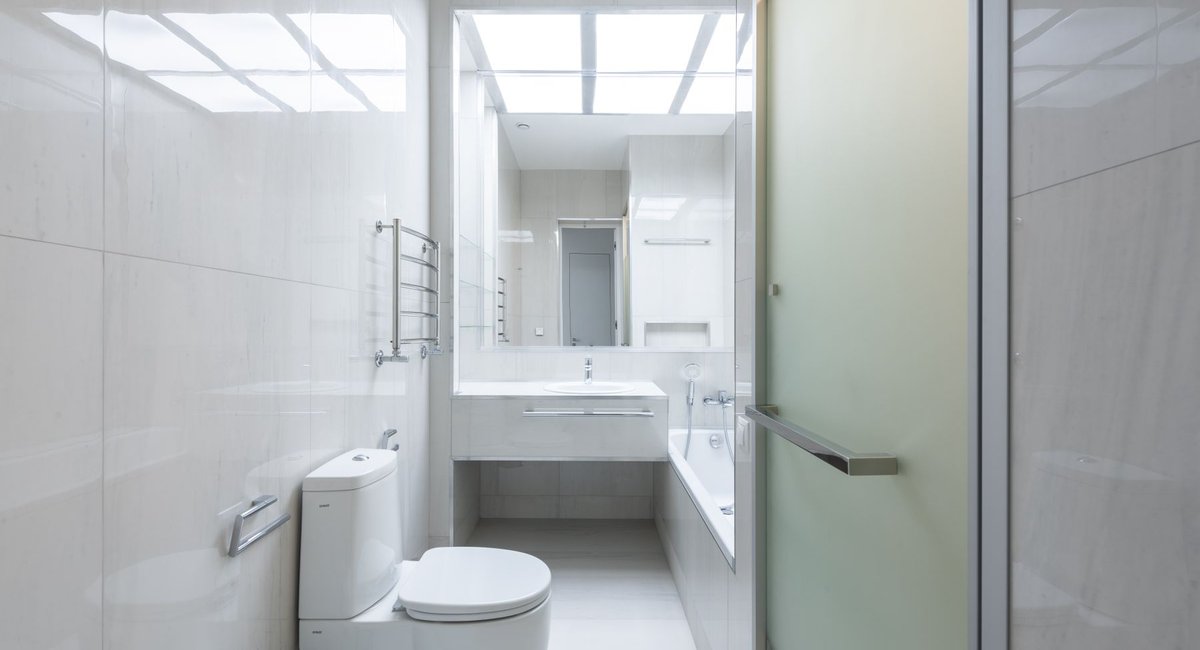
When choosing a water-saving toilet, the easiest number to check is the flush volume: the US Environmental Protection Agency (EPA) WaterSense label caps it at 1.28 gallons, about 4.8 litres, per flush, and the toilet must still pass a MaP cleaning test of at least 350 grams. A good water-saving toilet is therefore not only low on water but also clears the bowl in one flush. These figures are what to look for in a brochure before buying.
Key Facts
- WaterSense labeled toilets use 1.28 gallons per flush or less, 20% less than the US federal limit of 1.6 gallons (2026-11-05, source: US EPA WaterSense, Residential Toilets).
- Old, inefficient toilets can use as much as 6 gallons per flush; toilets account for nearly 30% of indoor household water use (2026-11-05, source: US EPA WaterSense, Residential Toilets).
- WaterSense tank-type toilets must remove at least 350 grams of test waste including toilet paper in a single flush (MaP threshold) (2026-11-05, source: MaP Toilet Testing, WaterSense).
- WaterSense specification Version 1.2 (2 June 2014) remains in effect; Version 2.0 (May 2024) has been paused by EPA (2026-11-05, source: US EPA WaterSense, Residential Toilets).
What 4.8 litres means on a water-saving toilet
The litre figure on a toilet brochure is the volume of water used in one flush. The US federal limit is 1.6 gallons (about 6 litres), while the WaterSense label requires 1.28 gallons, about 4.8 litres, according to the EPA's official page. Older toilets not designed for efficiency can use up to 6 gallons, roughly four times as much. Because toilets are the largest water user in the home, nearly 30% of indoor use, the difference shows up in water bills and in the load on pumps and septic tanks.
Indonesia does not use the WaterSense label, but many sanitaryware brands sold here state the flush volume in litres, such as 4.8 litres, or 3/6 and 3/4.5 litres for dual flush models. These numbers can be compared directly with the benchmark above.
Dual flush: two buttons, two volumes
A dual flush toilet has a full flush button for solid waste and a reduced flush for liquid waste. The EPA notes that a WaterSense labeled dual flush model saves even more water when users choose the reduced mode. Under Version 1.2, now in effect, dual flush toilets are rated by effective flush volume: the average of two reduced flushes and one full flush, which must not exceed 1.28 gallons. Version 2.0, released in May 2024, would cap the full flush itself at 1.28 gallons, but the EPA has paused its effective date.
The 350 g MaP test: efficient but still clean
Low-flow toilets of the 1990s were often criticised for needing a double flush, so WaterSense added performance testing. MaP Toilet Testing explains that WaterSense tank-type toilets must completely remove 350 grams of test waste plus toilet paper in a single flush. The EPA lists further tests such as bowl surface cleaning and drainline waste transport. Brands often publish the MaP score in grams; the higher the score, the more flushing reserve the toilet has.
How to choose and install a water-saving toilet
- Check the flush volume printed in the catalogue or on the product label, not just the words "water saving".
- For dual flush models, look at both numbers, reduced and full.
- Where available, compare MaP scores in grams and choose well above 350 g for heavily used homes.
- Make sure the floor outlet distance (rough-in) matches the toilet model before ordering.
- The drain pipe needs enough slope and venting so a small water volume can still carry waste away.
- Check for leaks: the EPA says most toilet leaks come from a worn flapper, and household leaks can waste 180 gallons per week.
homeX, a one-stop building materials and furniture platform in Indonesia with a showroom, warehousing and delivery, can help compare toilet specifications from several brands in one quotation request.
Water-saving toilet: related articles and products
- American Standard prices 2026: toilets and basins
- Household waste pipe sizes under SNI 8153
- Bathroom waterproofing flood test
- homeX building materials catalog
FAQ
How many litres makes a toilet water-saving? The EPA WaterSense benchmark is a maximum of 1.28 gallons, about 4.8 litres, per flush, compared with the US federal limit of 1.6 gallons (about 6 litres).
What does MaP 350 g mean on a toilet? It is the cleaning threshold: a WaterSense tank-type toilet must remove 350 grams of test waste including paper in one flush.
Does a dual flush toilet save more water? It can, if the reduced button is used for liquid waste. Under Version 1.2, the average of two reduced and one full flush must not exceed 1.28 gallons.
For building and renovation material needs, reach the homeX team on WhatsApp +62 821 1818 998, by email at homex9998@gmail.com or through our contact page.
Sources: US EPA WaterSense, Residential Toilets; MaP Toilet Testing, WaterSense