Anodizing Thickness for Aluminium Window Frames: QUALANOD Classes 10, 15 and 20 µm
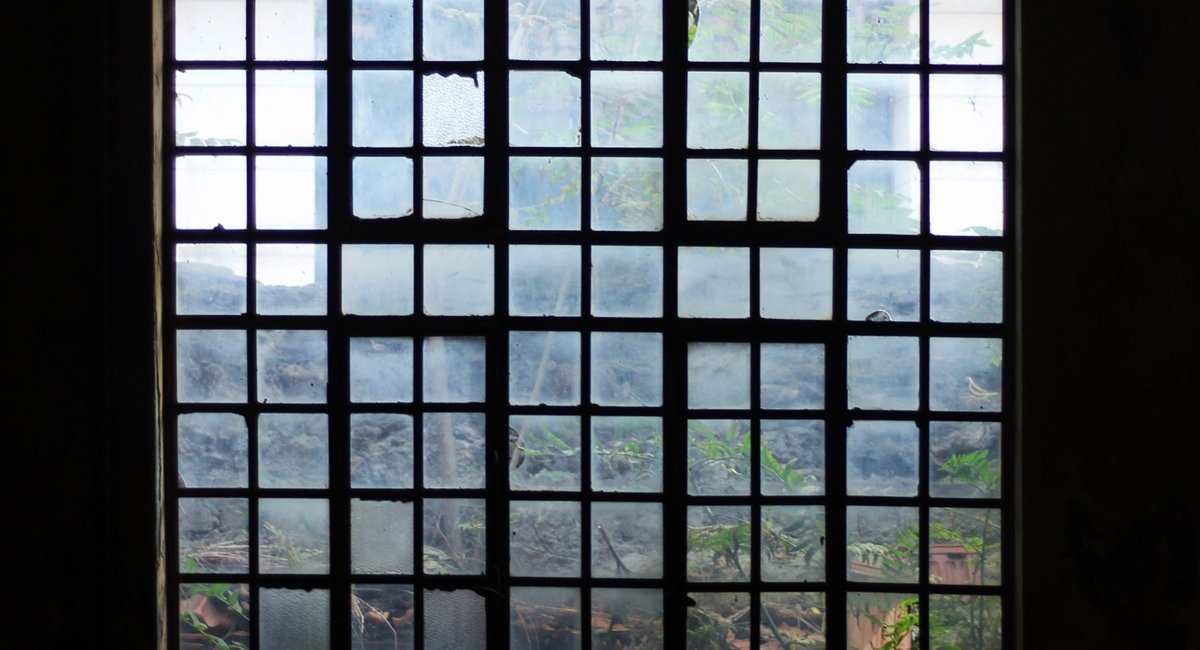
Anodizing thickness is the key number when choosing anodized aluminium frames, windows and facades. According to ADAL recommendations based on QUALANOD classes, dry interiors need class 10 (10 µm), normal rural and urban exteriors at least class 15, and severe urban settings or sites 3–20 km from the coast at least class 20. For Indonesia's humid tropical climate and coastal cities, ask suppliers to state this class in writing.
Key Facts
- Outdoor exposure data over up to 20 years show anodic coatings 10–25 µm thick losing 0.2–0.4 µm per year in urban areas (2026-11-05, source: QUALANOD, Architectural applications).
- The highest loss recorded was 1.2 µm per year at a heavily polluted site in the middle of a steel-making area (2026-11-05, source: QUALANOD, Architectural applications).
- ADAL recommends at least QUALANOD class 15 for rural and normal urban exteriors, and class 20 for severe urban/industrial sites and buildings 3–20 km from the coast (2026-11-05, source: ADAL, Quelle épaisseur d’anodisation ?).
- Coloured anodizing requires a coating thickness of at least 15 µm (2026-11-05, source: ADAL, Quelle épaisseur d’anodisation ?).
What anodizing and QUALANOD classes are
Anodizing is an electrochemical process that grows an aluminium oxide layer on the profile surface. Unlike paint, the layer grows from the metal itself. QUALANOD, the international quality label for anodizing, describes architectural anodizing as finishes for permanent exterior uses such as window frames and facade cladding, where both appearance and long life matter. Buildings from the late 1930s such as the Montecatini building in Milan still have anodized aluminium in good condition.
A QUALANOD class states the minimum average coating thickness in micrometres: class 10 means 10 µm, class 15 means 15 µm, class 20 means 20 µm, and so on.
Choosing anodizing thickness by location
ADAL, the French association for anodized and coated aluminium, bases its recommendations on the exposure categories of standard NF P 24-351:
- Interiors with low to medium humidity: at least class 10.
- Interiors with high to very high humidity: at least class 15.
- Rural and normal urban/industrial exteriors: at least class 15.
- Severe urban/industrial exteriors and buildings 3–20 km from the shoreline: at least class 20.
- Aggressive environments or sites very close to the sea: a specific study is needed.
For homes in coastal cities such as North Jakarta, Surabaya or Makassar, class 20 is a safe reference for directly exposed frames, but still check the distance to the sea and local pollution.
Why coating thickness determines service life
QUALANOD cites outdoor exposure studies of up to 20 years: coatings 10–25 µm thick in urban areas lost 0.2–0.4 µm per year, similar or slightly less in marine areas, and negligible amounts in rural areas. At a heavily polluted steel-making site the loss reached 1.2 µm per year. Put simply, a thicker coating gives more reserve before the base metal is exposed. Sealing quality also matters, because a poorly sealed porous layer dulls faster.
How to check anodized aluminium frames when buying
- Ask for a specification sheet stating the class or coating thickness in µm, not just the colour.
- Coloured anodizing such as bronze or black needs at least 15 µm, according to ADAL.
- Where possible, ask for thickness readings with an eddy current gauge at several points on the profile.
- Inspect the surface for colour streaks, deep scratches or white stains.
- Clean with water and neutral soap; avoid strong acid or alkaline cleaners.
homeX, a one-stop building materials and furniture platform in Indonesia with a showroom, warehousing and delivery, can help compare aluminium profile and glass specifications from several suppliers.
Anodizing thickness: related articles and products
- Hot-dip galvanizing thickness ISO 1461
- Tempered vs laminated glass
- Stainless steel 201, 304 and 316
- homeX building materials catalog
FAQ
What anodizing thickness suits exterior frames? According to ADAL, at least QUALANOD class 15 (15 µm) for normal exteriors and class 20 (20 µm) for severe urban sites or 3–20 km from the coast.
What does class 20 mean on anodized aluminium? Class 20 means a minimum average anodic coating thickness of 20 micrometres.
How fast does an anodic coating wear? QUALANOD data show 0.2–0.4 µm per year in urban areas, up to 1.2 µm per year at heavily polluted industrial sites.
For building and renovation material needs, reach the homeX team on WhatsApp +62 821 1818 998, by email at homex9998@gmail.com or through our contact page.
Sources: QUALANOD, Architectural applications; ADAL, Quelle épaisseur d’anodisation ?