3D-Printed Houses by Autoconz: Type-36 Claim and Local Mortar
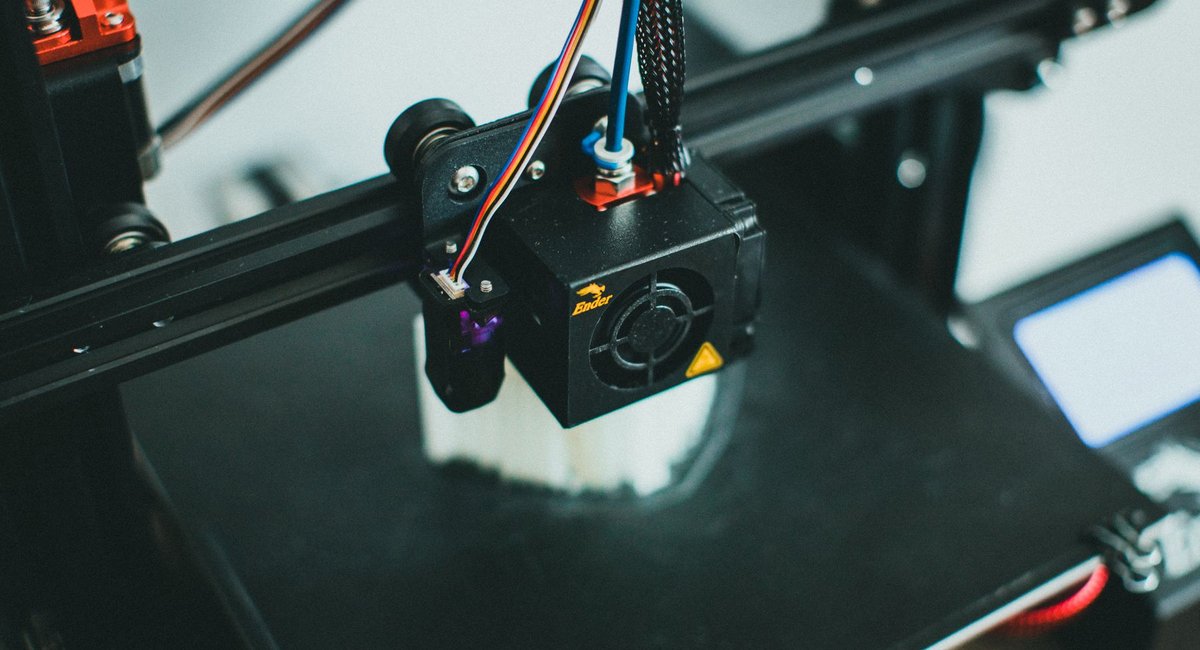
3D-printed houses are back in the news after KonstruksiTekno.id, on 1 November 2026, examined claims by Yogyakarta-based Autoconz (PT Berdikari Teknologi Indonesia) that a type-36 house can be built in three weeks with potential cost savings of up to 30 percent. Its 3D Construction Printing (3DCP) extrudes cement-based mortar layer by layer following a digital design. The takeaway: the company’s local mortar is certified for domestic content, but the speed and savings claims lack independent verification and mass use is not yet proven.
Key Facts
- Autoconz, officially PT Berdikari Teknologi Indonesia, uses 3DCP with a gantry machine that extrudes cement-based mortar in layers (2026-11-01, source: KonstruksiTekno.id, Type-36 house in three weeks? Autoconz technology claims (1 Nov 2026)).
- The claim of a type-36 house in at most three weeks, versus about 1.5–2 months conventionally, with up to 30% savings, was first made in January 2022 (2026-11-01, source: KonstruksiTekno.id, Type-36 house in three weeks? Autoconz technology claims (1 Nov 2026)).
- Autoconz’s 3DCP mortar received a 68.29% local-content (TKDN) certification, according to a company announcement dated 20 December 2024 (2026-11-01, source: KonstruksiTekno.id, Type-36 house in three weeks? Autoconz technology claims (1 Nov 2026)).
- As of 1 November 2026 there was no verified evidence of mass use in the 3 Million Homes Programme (2026-11-01, source: KonstruksiTekno.id, Type-36 house in three weeks? Autoconz technology claims (1 Nov 2026)).
How 3D-printed houses are built with mortar
Instead of laying bricks one by one, 3DCP uses a gantry-type machine that follows the building’s digital design. It extrudes mortar, a mix based on cement and other materials, in stages until it forms elements such as walls. According to KonstruksiTekno.id, Autoconz says its technology covers the machine, material formulation, control system and construction method adapted to Indonesian conditions. Printing walls does not mean the whole house is done by the machine, however. Foundations, roofing, electrical work, plumbing, doors, windows and finishing still need additional construction stages, so structure printing time should be distinguished from the time needed to make a house ready to live in.
Where the three-week and 30% claims come from
The claims are not new. KonstruksiTekno.id traced them to 8 January 2022, when Raja Rizqi Apriandy, then described as Autoconz CEO, compared a type-36 house built in at most three weeks with about 1.5 to 2 months by traditional methods and cited potential savings of up to 30 percent. The figures resurfaced in a Viva report on 29 October 2026. The outlet stresses that no detailed project cost comparison or independent verification yet shows that 30 percent savings hold consistently across locations, designs and scales. Machine mobilisation, material availability, site conditions, specialist staff and non-printed work can all change the final cost.
Local-content mortar and what it means for material suppliers
The key development is local material: in a 20 December 2024 announcement, Autoconz said its 3DCP mortar obtained 68.29 percent TKDN. That figure applies to the mortar, not automatically to the machine or the whole building, and the status of a planned 2025 TKDN certification for its Bimantara gantry machine could not be confirmed. KonstruksiTekno.id also notes that wider adoption still faces equipment investment, machine transport and set-up costs, trained operators, earthquake resistance and joints between elements. The technology does not remove the need for builders; it shifts skills towards machine operation, digital modelling and quality supervision. homeX, an Indonesian building-materials platform with showroom, warehousing and delivery, follows this because consistent mortar and cement supply would be a precondition if printing methods spread.
3D-printed houses: related articles and products
- BuildX 2026: AI, BIM and project decisions
- Precast concrete panel plant in Bali
- SIG interlocking bricks for Maros housing
- Wall putty for interior finishing
- homeX building materials catalog
FAQ
How long does Autoconz say a 3D-printed type-36 house takes? Autoconz claims at most three weeks, compared with about 1.5–2 months conventionally. The claim dates from 2022 and has not been independently verified.
Is Autoconz’s printing mortar locally made? According to a company announcement on 20 December 2024, its 3DCP mortar is certified at 68.29% TKDN. The figure covers the mortar, not the machine or the whole building.
Are 3D-printed houses used in the 3 Million Homes Programme? As of 1 November 2026, KonstruksiTekno.id said there was no verified evidence of mass use of Autoconz technology in the programme.
For building and renovation material needs, reach the homeX team on WhatsApp +62 821 1818 998, by email at homex9998@gmail.com or through our contact page.
Sources: KonstruksiTekno.id, Type-36 house in three weeks? Autoconz technology claims (1 Nov 2026)