Chinese Cement in Indonesia: In Since 2014, Market Now 45% Oversupplied
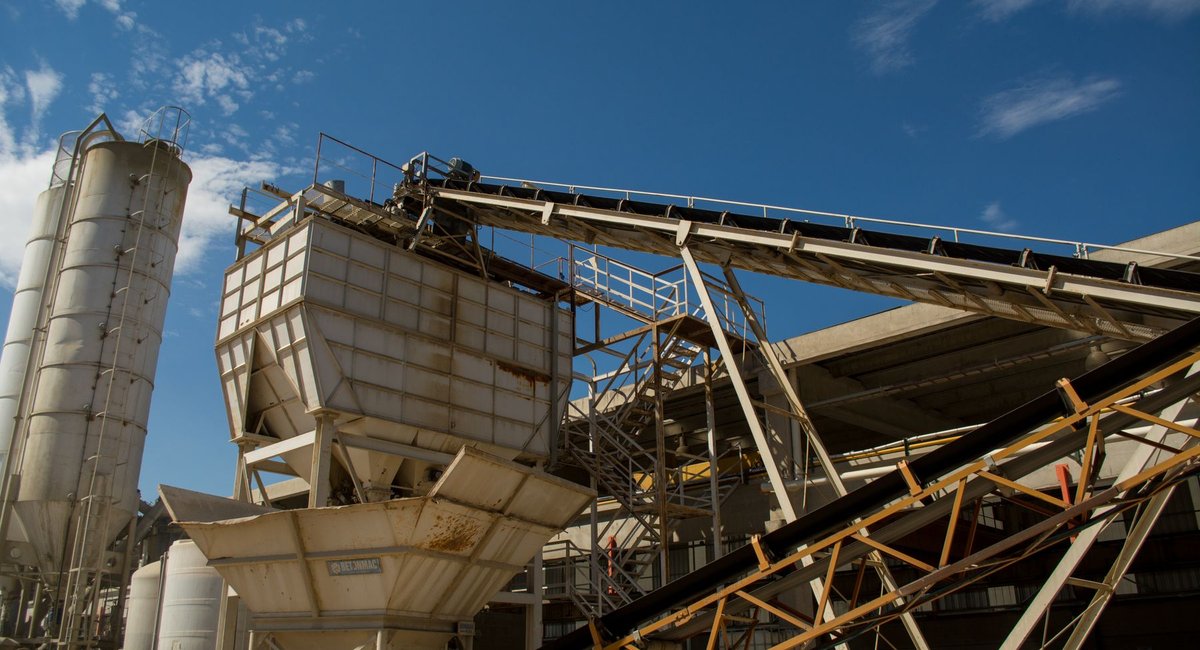
Local producers are again pointing to Chinese cement in Indonesia as a source of pressure. On 11 November 2026, Indocement director Antonius Marcos said national cement capacity is about 122 million tonnes a year while domestic consumption is only about 66 million tonnes, an overcapacity of 45–46%. He named Chinese players, which began building plants in 2014, as one of the challenges and said he hopes the moratorium on new cement plants stays in place. For buyers this means more brands and competitive prices, but quality still has to be checked bag by bag.
Key Facts
- National cement capacity is about 122 million tonnes a year and domestic consumption about 66 million tonnes, an overcapacity of 45–46% (11 November 2026, source: InvestaNews: cement producers face oversupply (11 Nov 2026)).
- According to Indocement, China has about 1.2 billion tonnes of cement capacity and its own oversupply, pushing its producers to look abroad, including Indonesia (11 November 2026, source: InvestaNews: cement producers face oversupply (11 Nov 2026)).
- PT Conch’s plant in Tabalong, South Kalimantan, came on-stream with 1.5 million tonnes a year of capacity and a US$202 million investment; it was Anhui Conch’s first plant in Indonesia (5 December 2014, source: CemNet: PT Conch South Kalimantan cement plant on-stream (5 Dec 2014)).
- Indocement said a price war is hard to avoid under oversupply and that it aims to protect market share through efficiency (11 November 2026, source: RMOL: big cement producer admits price war hard to avoid (11 Nov 2026)).
- Indonesia’s per-capita cement consumption is about 250 kg a year, below several neighbours at around 400–500 kg (11 November 2026, source: InvestaNews: cement producers face oversupply (11 Nov 2026)).
Chinese cement and national overcapacity
Indocement made the comments to journalists at its Citeureup plant in Bogor on 11 November 2026. The core numbers are simple: installed industry capacity is about 122 million tonnes a year, while the domestic market absorbs only about 66 million tonnes. In other words, almost half of the capacity is not needed for the home market.
According to Antonius Marcos, one source of pressure is producers from China. China was said to have about 1.2 billion tonnes of capacity and to face oversupply at home, so its producers are searching for new markets abroad. He said that since 2014 several Chinese cement players have set up production facilities in Indonesia.
The 2014 date matches the record of the cement trade publication CemNet. In December 2014 it reported that PT Conch’s plant in Tabalong Regency, South Kalimantan, had come on-stream with 1.5 million tonnes a year of capacity, or 3,200 tonnes per day. The investment was US$202 million, the site has a 36 MW steam power plant and lies about 30 km from Tanjung. It was described as Anhui Conch’s first cement plant in Indonesia.
New-plant moratorium and price competition
Indocement hopes the moratorium on building new cement plants will continue so that local plants can run at higher utilisation. In the same interview Marcos admitted that under oversupply a price war cannot be avoided. The strategy he described is efficiency across the business, lower logistics costs and holding market share without being pulled into destructive price cutting.
There is still room to grow. Indonesian cement consumption is only about 250 kg per person a year, while some neighbouring countries are already at 400–500 kg. The industry hopes demand will rise through government construction programmes. Distribution costs are another concern, including the planned Zero ODOL truck policy, which the media covered separately.
What Chinese cement in Indonesia means for buyers
For contractors, building shops and homeowners, this competition usually shows up as more brands on the shelf and wider price gaps between them. In homeX’s price check in early November 2026, the Conch brand sat alongside Dynamix, Merah Putih and Semen Padang. Price per bag, however, should not be the only factor.
Points worth checking before buying, whatever the brand’s origin:
- The cement type printed on the bag: OPC, PCC or PPC, matched to the job.
- A clear SNI mark and net weight on the packaging.
- Bag condition on delivery: not damp, not lumpy and not torn.
- The designer’s recommendation for structural work, not just the cheapest price.
For project purchasing, comparing several brands with the same specification and storing stock first-in, first-out helps reduce risk. homeX follows the cement market and can help prepare comparisons of brands, cement types and bag quantities for renovation and construction projects.
Chinese cement in Indonesia: related articles and products
- Dynamix, Merah Putih, Conch and Semen Padang cement prices, November 2026
- Domestic cement demand up 7.9% through September 2026
- How to read a cement bag: OPC, PCC, PPC, SNI mark and weight
- homeX building materials catalog
FAQ
Since when have Chinese cement producers built plants in Indonesia? Indocement’s director said since 2014. CemNet reported that PT Conch’s plant in Tabalong, South Kalimantan, came on-stream in December 2014 with 1.5 million tonnes a year of capacity.
How large is Indonesia’s cement overcapacity in 2026? According to Indocement on 11 November 2026, capacity is about 122 million tonnes a year and consumption about 66 million tonnes, leaving roughly 45–46% surplus.
Can cement from Chinese-owned plants be used for houses? What matters is the cement type and its compliance with SNI and the job specification, not the investor’s home country. Check the SNI mark, the OPC/PCC/PPC type and the bag condition.
For building and renovation material needs, reach the homeX team on WhatsApp +62 821 1818 998, by email at homex9998@gmail.com or through our contact page.
Sources: InvestaNews: cement producers face oversupply (11 Nov 2026); RMOL: big cement producer admits price war hard to avoid (11 Nov 2026); CemNet: PT Conch South Kalimantan cement plant on-stream (5 Dec 2014)