Ceramic Tile Prices Indonesia: US$11 Gas Hits Makers as ASAKI Plans 110 Million m² Expansion
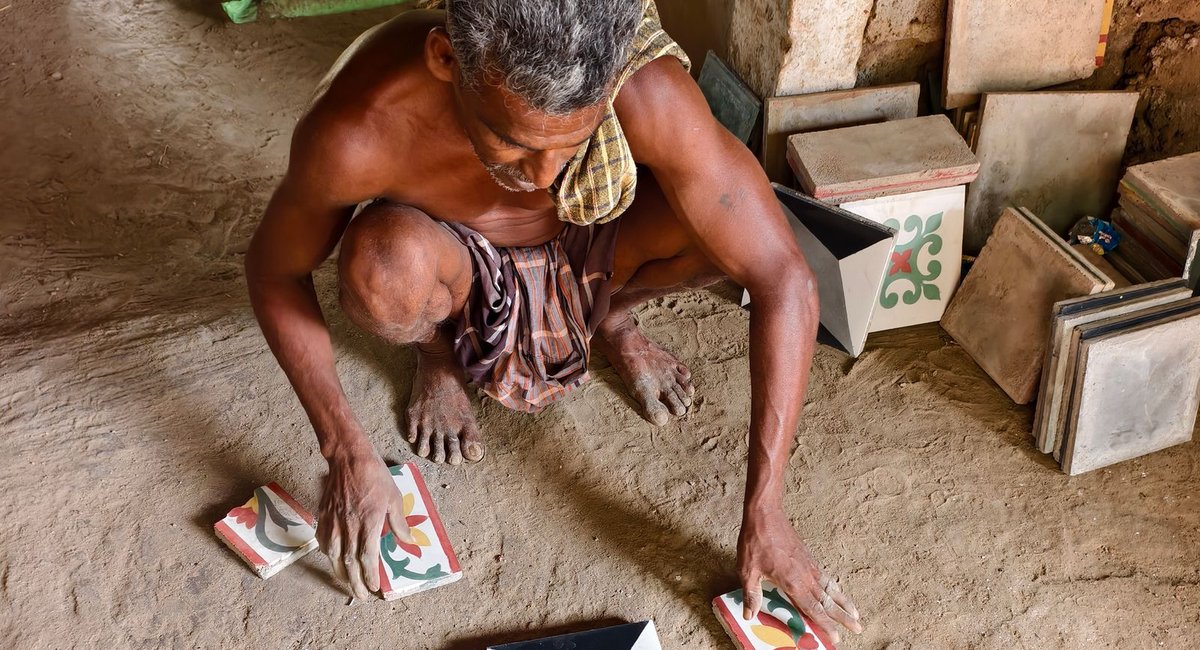
ASAKI says ceramic makers now pay about US$11 per MMBtu for gas — important news for anyone tracking ceramic tile prices in Indonesia.
Indonesia's ceramic tile industry is at a crossroads. Production capacity keeps growing and the country is now described as the world's fifth-largest ceramic producer, yet energy costs are squeezing factories again. The Indonesian Ceramic Industry Association (ASAKI) raised the issue during a meeting with Industry Minister Muhammad Sarmuji in Jakarta on Wednesday, 21 October 2026. For contractors, building-material shops and homeowners planning to buy floor or wall tiles, these developments are worth following.
Gas for ceramic makers climbs to US$11 per MMBtu
ASAKI chairman Edy Suyanto explained that Energy and Mineral Resources Ministerial Decree No. 281.K of 2026, issued in August, had in principle given the industry certainty. With gas allocated at around 73 percent of total needs, and taking the price of regasified LNG into account, the average gas price for ceramic makers receiving the government's special gas price (HGBT) should be roughly US$8–8.5 per MMBtu.
The problem is that supply disruptions and restrictions on gas use have occurred since September and continued into October. As a result, the average price the industry paid in October reached about US$11 per MMBtu, more than 50 percent above the HGBT level. ASAKI says the regulation itself is sound, but implementation and supply monitoring need to be strengthened. According to CNBC Indonesia, the association proposed three steps: accelerating the domestic market obligation (DMO) for gas, allowing state gas company PGN to import gas when supply falls short, and giving ceramic makers higher priority in gas allocation.
Government response: gas certainty and tighter imports
Minister Sarmuji said the government would fight for two things: certainty of gas supply so that factories can plan production, and a gas price that stays competitive. He also highlighted the inflow of very cheaply priced imported ceramics. Ceramic products from China are already subject to anti-dumping duties, while possible dumping from other countries, including India, will be proposed for investigation together with the Trade Ministry and the Finance Ministry.
The Industry Ministry also said it has tightened ceramic imports through the Indonesian National Standard (SNI) and other technical policies. Any relaxation will be very specific and selective, limited to types of ceramics that cannot yet be produced domestically.
686 million m² of capacity and a Rp12 trillion expansion
On the supply side the picture is solid. ASAKI says installed national capacity reached 686 million square metres in 2026. Utilisation is projected to rise from 73 percent in 2025 to 75 percent in 2026, equivalent to output of around 510 million square metres. For 2026–2028, a second-phase expansion of 110 million square metres is planned, worth about Rp12 trillion and potentially creating 7,000–7,500 new jobs. Edy believes Indonesia could climb to fourth place globally, overtaking Vietnam, if gas supply runs smoothly.
What it means for floor tile buyers
Gas is an important cost component in firing ceramics, so higher gas prices can squeeze producers' margins. At the time of writing there has been no official announcement of higher tile selling prices because of this situation. Even so, project buyers would be wise to plan procurement early. Lock in key requirements at the design stage, ask for written quotations with a clear price validity period, and make sure every product carries the SNI mark. For each room, try to buy from the same production batch and shade code so the floor looks uniform, and keep some spare stock for cuts and future repairs.
Where homeX fits in
As Indonesia's one-stop integrated service platform for building materials and furniture, homeX offers a showroom where products can be seen in person, warehousing with visible stock, and delivery from Tangerang. We are expanding our warehousing and delivery network and using digital tools to help plan stock, while on-site installation is handled by partner tukang (skilled builders). For renovations and new builds alike, our team can help compare floor and wall tile options, arrange phased deliveries and prepare stock that matches site needs.
FAQ
Why do gas prices affect the ceramic industry?
Firing ceramics requires large amounts of heat, and for many factories the main source is natural gas. Changes in gas price or supply therefore feed directly into production costs.
Can imported ceramics still be sold?
Yes, but they must comply with SNI and other rules. Ceramics from China face anti-dumping duties, and the government only allows relaxation for types not yet produced domestically.
How large is Indonesia's ceramic capacity?
According to ASAKI, installed capacity in 2026 is 686 million m², with projected output of around 510 million m².
Ceramic tile prices Indonesia: related articles and products
Related articles:
- How to Choose Floor Tiles: PEI Rating, Water Absorption and SNI ISO 13006
- Building Material Prices Indonesia, September 2026: Construction Wholesale Index Up 9.63%
- Rising Building Material Costs of 10–15% Hit Indonesian Developers as Home Sales Weaken
Related building materials at homeX:
Sources: Industry.co.id, 21 Okt 2026; Kompas.com, 21 Okt 2026 (harga gas); Kompas.com, 21 Okt 2026 (ekspansi ASAKI); CNBC Indonesia, 21 Okt 2026