PVC Pipe for Homes: AW vs D Class, SNI 06-0084-2002, Jointing and Pressure Testing
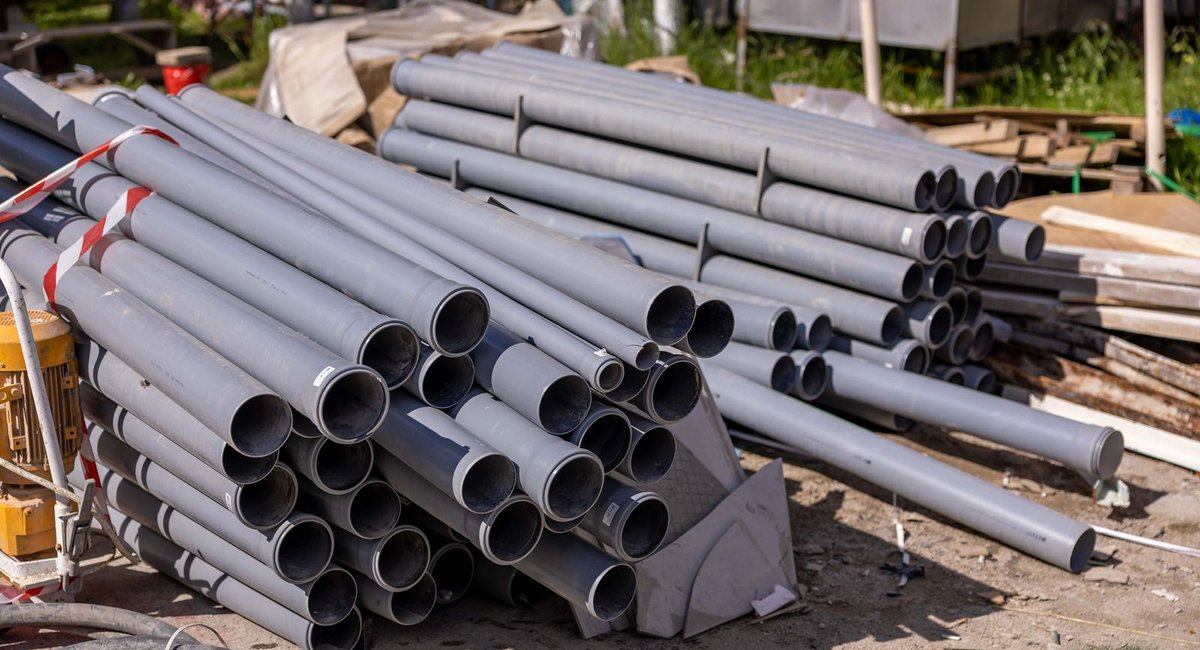
Choosing PVC pipe for a home starts with telling AW class, for pressurised clean water, from D class, for waste.
The wrong pipe class shows up later
In building-material shops, PVC pipes of the same diameter can differ quite a lot in price. The difference lies in the class and wall thickness. Using thin pipe for pressurised water lines, or jointing it the wrong way, often ends in hidden leaks inside walls that are hard to trace. Here is a guide to choosing and installing PVC pipe for home renovation.
1. AW and D classes
Pipe manufacturers in Indonesia mainly divide uPVC pipe into two classes:
- AW: for pressurised clean water. Wavin's catalogue states 10 bar, while Berjaya Nawaplastic (SCG) states a working pressure of up to 10 kg/cm². Wavin says AW pipe does not fail in a hydrostatic test at 4.2 MPa for one hour at 20 °C.
- D: for waste and soil water, a non-pressure pipe. Its stated pressure is 5 bar (Wavin) or up to 5 kg/cm² (SCG).
Both classes share the same outside diameter, so fittings may look compatible, but wall thickness differs. From Wavin's table: a 2" pipe (60 mm OD) in AW class is 2.3–2.7 mm thick, while D class is only 1.3–1.7 mm. For 4" (114 mm), AW is 4.1–4.7 mm and D 2.0–2.4 mm. So never use D pipe for the line from a pump or water tank to the taps.
2. SNI 06-0084-2002
For drinking-water lines, the national reference is SNI 06-0084-2002, PVC Pipes for Drinking Water. Certification bodies such as PT IAPMO Group Indonesia run a type 5 certification scheme for this product, covering factory audits, sampling and laboratory testing. Many retail pipes are also made with reference to JIS standards; for example Wavin says its pipes follow Wavin standards with JIS reference, and Rucika distinguishes SNI pipe (Rucika Safe) from retail pipe (Standard and JIS). For projects that require SNI, ask for the certificate and make sure the standard number is printed on the pipe.
3. Limits of use
- Hot water: Wavin lists a normal working temperature of 0–60 °C but stresses that PVC pipe is not recommended for hot water. Use pipe designed for hot water according to its manufacturer's specification.
- Chemicals: strong acids (sulphuric, hydrochloric, nitric), acetone, thinner, chloroform, chlorine and ammonia are listed as substances that must not be carried in PVC pipe.
- Lengths: pipes are commonly supplied in 4 m lengths, some in 5.7 m, so plan the number of lengths and joints early.
4. Solvent cement jointing
Steps from Rucika's guide:
- Chamfer the spigot end: 15° for SNI pipe and 45° for retail pipe.
- Clean the spigot with a cloth. Do not use sandpaper, which roughens the surface and can make the pipe oval.
- Measure the fitting socket depth and mark it on the pipe.
- Apply cement evenly to the fitting first, then to the pipe, because solvent cement evaporates quickly.
- Push the pipe in to the mark without twisting, then wipe off excess cement immediately.
- Let the joint cure; larger diameters need longer curing time.
5. Pressure test before walls are closed
Pipe maker Vinidex's guidance is a practical reference: pressure test no sooner than 24 hours after the last solvent joint. Fill the line with water while purging all air, then pressurise. The maximum test pressure is 1.25 times the design pressure, measured at the lowest point, and must not exceed 1.25 times the nominal pressure of the lowest-rated component. Hold for at least 15 minutes and inspect all joints. Do this before plastering or tiling.
6. Storage and inspection
- Store pipes covered, dry and away from direct heat, including sunlight.
- Stack them securely so they cannot roll or topple.
- Check inner and outer surfaces are smooth without cracks, measure wall thickness with a caliper, and match the printed class (AW/D) to your order.
FAQ
Can D pipe carry clean water? For non-pressure flow it may, but pressurised lines from a pump or the mains should use AW.
Why must joints not be twisted? According to Rucika, pushing straight in gives maximum bonding depth and a stronger joint.
homeX, a one-stop building materials and furniture service platform in Indonesia, supplies PVC pipes, fittings and cement, backed by a showroom, warehousing and delivery to site. We help prepare your material list, while installation is done by the plumber or tukang of your choice.
Sources
- PT IAPMO Group Indonesia — Skema sertifikasi SNI 06-0084-2002 Pipa PVC untuk Saluran Air Minum (PDF)
- Wavin Indonesia — Katalog pipa uPVC AW & D (PDF)
- PT Berjaya Nawaplastic Indonesia — Pipa PVC SCG kelas AW dan D
- RUCIKA — Tips Menyambungkan Pipa PVC dengan RUGlue
- Vinidex — Testing and Commissioning of PVC Pressure Pipes
PVC pipe: related articles and products
Related articles:
- How to Waterproof a Bathroom: 7 Steps Before Tiling to Prevent Leaks
- House Electrical Cable Guide: NYA vs NYM vs NYY, Sizes and PUIL Colour Code
- Concrete Roof and Bathroom Waterproofing: Material Types and Application Steps
Related building materials at homeX: