Rebar Weight per Metre under SNI 2052: Tolerance, End Colour Codes and Labels
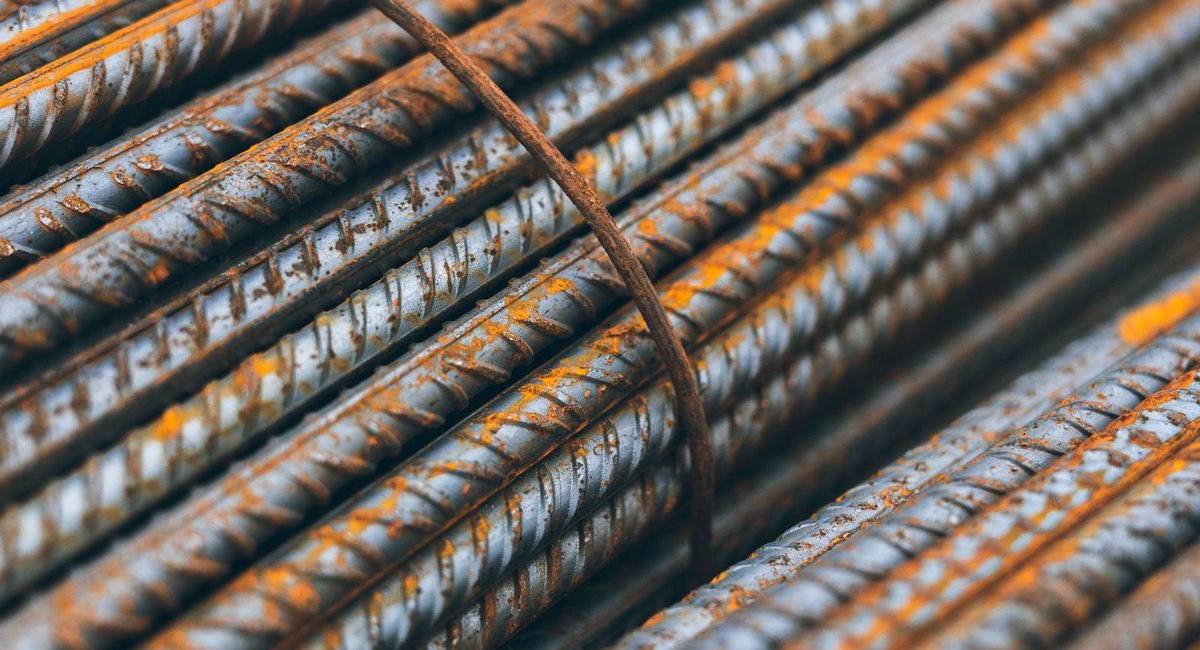
The most practical way to check rebar quality on site is to weigh it and compare the result with the rebar weight per metre in SNI 2052:2017. In short, deformed bar S10 should weigh 0.617 kg/m, S13 1.042 kg/m and S16 1.578 kg/m, with a per-bar weight tolerance of ±5–7% depending on diameter. Bars that are much lighter, lack the embossed brand and have no paint on the ends deserve suspicion.
Key Facts
- SNI 2052:2017 "Steel bars for concrete reinforcement" was set on 11 September 2017 by decree 276/KEP/BSN/9/2017 and is in force (2017-09-11, source: BSN, SNI 2052:2017 catalogue entry, accessed 31/10/2026).
- Nominal weight of deformed bars: S10 0.617 kg/m, S13 1.042 kg/m, S16 1.578 kg/m, S19 2.226 kg/m (2026-10-31, source: SNI 2052:2017 Steel bars for concrete reinforcement (PDF copy on the PT Toyogiri Iron Steel website), accessed 31/10/2026).
- Per-bar weight tolerance for deformed bars: ±7% (6–8 mm), ±6% (10–14 mm), ±5% (16–29 mm), ±4% (>29 mm) (2026-10-31, source: SNI 2052:2017 Steel bars for concrete reinforcement (PDF copy on the PT Toyogiri Iron Steel website), accessed 31/10/2026).
- Standard lengths are 10 m and 12 m, with a tolerance of 0 to +70 mm (2026-10-31, source: SNI 2052:2017 Steel bars for concrete reinforcement (PDF copy on the PT Toyogiri Iron Steel website), accessed 31/10/2026).
- Bar end colours: BjTS 280 black, BjTS 420A yellow, BjTS 420B red, BjTS 520 green (2026-10-31, source: SNI 2052:2017 Steel bars for concrete reinforcement (PDF copy on the PT Toyogiri Iron Steel website), accessed 31/10/2026).
Rebar weight per metre table (SNI 2052:2017)
SNI 2052 distinguishes plain bars (BjTP, code P) from deformed bars (BjTS, code S). For the same diameter the nominal weight is identical, calculated as 0.785 × 0.7854 × d² / 100 kg/m (d = nominal diameter in mm). The sizes most used in houses are:
- 6 mm: 0.222 kg/m
- 8 mm: 0.395 kg/m
- 10 mm: 0.617 kg/m
- 12 mm (plain P12): 0.888 kg/m
- 13 mm (deformed S13): 1.042 kg/m
- 16 mm: 1.578 kg/m
- 19 mm: 2.226 kg/m
Note that the deformed size in the SNI table is 13 mm while the plain size is 12 mm. Do not compare a 13 mm deformed bar against the 12 mm figure.
Checking the weight tolerance on site
For deformed bars, SNI uses a per-bar weight tolerance. Worked examples from the table (rounded by the editors):
- S10, 12 m long: nominal 7.40 kg; ±6% gives roughly 6.96–7.85 kg.
- S13, 12 m long: nominal 12.50 kg; ±6% gives roughly 11.75–13.25 kg.
- S16, 12 m long: nominal 18.94 kg; ±5% gives roughly 17.99–19.88 kg.
For plain bars, SNI sets a diameter tolerance instead: ±0.4 mm for 8–14 mm and ±0.5 mm for 16–25 mm. Measure with a vernier caliper at several points. Undersized bars are often called "besi banci" in Indonesian markets; if the scale or caliper shows values outside the limits, ask the supplier for an explanation and certificates.
Practical steps
- Pick several bars at random from each bundle, not just the top ones.
- Measure the length: SNI sets 10 m or 12 m, up to 70 mm longer but never shorter.
- Weigh whole bars on a calibrated scale and compare with the ranges above.
SNI markings: embossing, end colour and labels
The marking clause of SNI 2052:2017 requires every bar to carry embossed letters showing the manufacturer's brand and nominal diameter. The bar ends are painted in a durable colour by steel class: black for BjTP 280 and BjTS 280, yellow for BjTS 420A, red for BjTS 420B, green for BjTS 520, white for BjTS 550 and blue for BjTS 700. Each bundle label must show the manufacturer's name and brand, size (diameter and length), steel class, heat number and production date.
The class also sets strength. BjTS 420B, for example, must have a yield strength of 420–545 MPa, tensile strength of at least 525 MPa, elongation of at least 14% for diameters up to 19 mm and a tensile-to-yield ratio of at least 1.25. These values can only be proven by laboratory tests or the mill certificate, not by eye.
homeX, an Indonesian one-stop building materials and furniture service platform with a showroom, warehousing and delivery, can help prepare a rebar list by diameter together with supporting documents from suppliers.
Rebar weight per metre: related articles and products
- Plain and deformed rebar prices 2026 per bar
- Mandatory SNI for building materials and how to check the mark
- Reinforcement for practical columns, sloof and ring beams
- homeX building materials catalogue
FAQ
How much does a 12 m length of 10 mm rebar weigh? Nominal 0.617 kg/m × 12 m ≈ 7.40 kg; for deformed bar the ±6% tolerance gives about 6.96–7.85 kg.
What does red paint on the rebar end mean? Under SNI 2052:2017, red marks class BjTS 420B; yellow is BjTS 420A and black is class 280.
Is 13 mm deformed bar the same as 12 mm? No. The SNI table lists deformed S13 at 1.042 kg/m, while plain P12 weighs 0.888 kg/m.
Need help choosing or delivering materials? Contact the homeX team on WhatsApp +62 821 1818 998, by email at homex9998@gmail.com or via the contact page.
Sources: SNI 2052:2017 Steel bars for concrete reinforcement (PDF copy on the PT Toyogiri Iron Steel website), accessed 31/10/2026; BSN, SNI 2052:2017 catalogue entry, accessed 31/10/2026