Tile Slip Resistance Ratings R9–R13 and A, B, C: Meaning and How to Choose
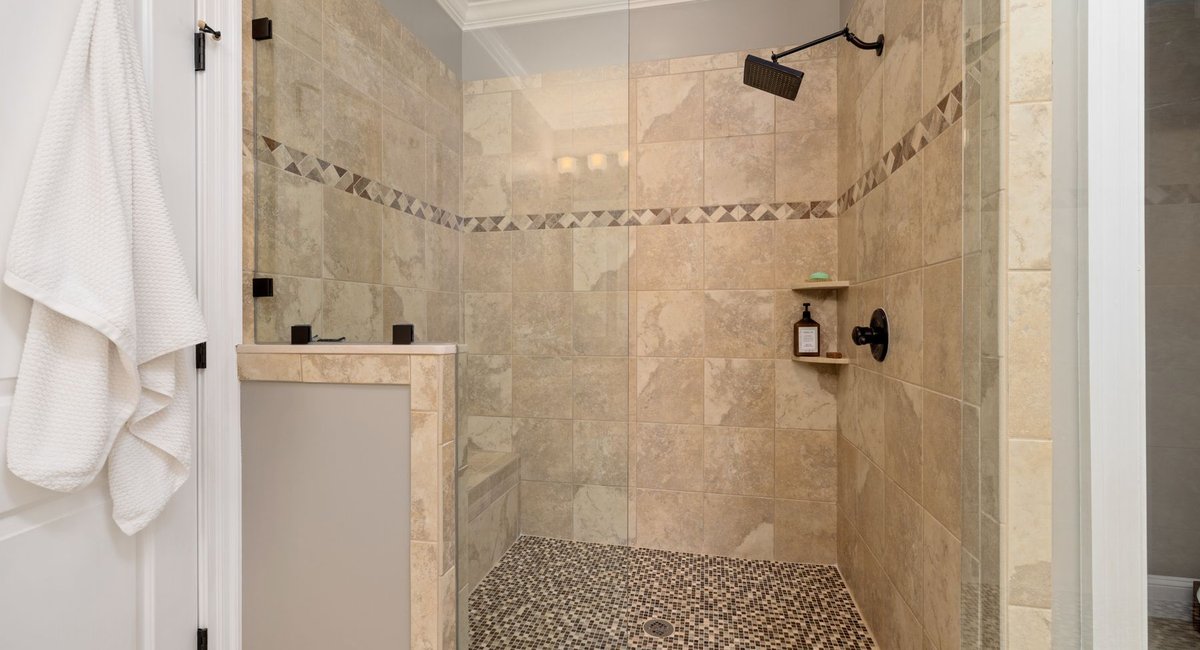
A tile slip resistance rating from R9 to R13 is the result of a ramp test with shoes on an oiled surface: R9 means an angle of 6–10°, while R13 is above 35°. Wet barefoot areas use a separate scale of A, B and C. The two systems cannot be converted into each other, so choose the class according to how the room is used.
Key Facts
- R9 = 6–10°, R10 = >10–19°, R11 = >19–27°, R12 = >27–35°, R13 = >35° in the shod ramp test (2026-11-02, source: Villeroy & Boch Tiles, Slip Resistance technical information, status 1 Jan 2025 (accessed 2 Nov 2026)).
- Barefoot classes: A from 12°, B above 18°, C above 24° (2026-11-02, source: Villeroy & Boch Tiles, Slip Resistance technical information, status 1 Jan 2025 (accessed 2 Nov 2026)).
- DIN EN 16165 (December 2021) combines the DIN 51130, DIN 51097 and DIN 51131 methods (2026-11-02, source: Villeroy & Boch Tiles, Slip Resistance technical information, status 1 Jan 2025 (accessed 2 Nov 2026)).
- German ASR A1.5 examples: toilets R9, changing and washrooms R10, outdoor entrances R11 or R10 with V4 (2026-11-02, source: Villeroy & Boch Tiles, Slip Resistance technical information, status 1 Jan 2025 (accessed 2 Nov 2026)).
- R classes cannot be converted into A/B/C, pendulum (PTV) or DCOF values (2026-11-02, source: Gruppo Bardelli Academy, R9–R11 guide and test reports (accessed 2 Nov 2026)).
What the R9–R13 tile slip resistance rating means
The R code comes from the German test method DIN 51130, which in December 2021 became Annex B of the European standard DIN EN 16165. A tester in work shoes walks on an oiled sample while the ramp is tilted until he starts to slip. The average angle at that point sets the class.
- R9: 6–10°, the lowest class.
- R10: above 10° up to 19°.
- R11: above 19° up to 27°.
- R12: above 27° up to 35°.
- R13: above 35°.
Deeply profiled tiles may also carry V4, V6, V8 or V10. The number is the volume of the cavity below the walking surface, from 4 to 10 cm³ per dm². This space holds water, oil or dirt so it does not sit directly under the sole of the shoe.
A, B and C classes for wet barefoot areas
In bathrooms, showers and pools, people walk without shoes. A different method applies here, formerly DIN 51097 and now DIN EN 16165 Annex A. The test uses bare feet on a wet inclined surface.
- A: from 12°, for barefoot corridors and mostly dry sanitary areas.
- B: above 18°, for showers, pool surrounds and steam rooms among others.
- C: above 24°, for steps into pools, foot basins and sloping pool edges.
Examples from German workplace rules
The ASR A1.5 list quoted by Villeroy & Boch covers workplaces, not private homes. It is still a useful reference:
- Toilets: R9. Changing rooms and washrooms: R10.
- Showers and pool surrounds (with shoes): R10.
- Outdoor entrances and paths: R11, or R10 with a V4 cavity.
- Restaurant and hotel kitchens: R12.
Villeroy & Boch also notes that private areas such as home bathrooms are not regulated, but it recommends barefoot-rated tiles for floor-level showers.
How to choose a slip rating for a home
- Bathrooms and showers: look for class B, or at least R10 if only an R rating is given.
- Terraces, carports and outdoor paths: these get rain and soil, so R11 is safer than R9.
- Pool surrounds: prefer class B, and class C for pool steps.
- Living rooms and bedrooms: slip class matters less; focus on PEI and water absorption.
Do not judge by looks alone. Bardelli notes that a stone texture or rough surface does not by itself prove an anti-slip class. Slip resistance is also different from PEI, which measures surface wear.
What to check in the shop and at handover
Ask for the data sheet or test report, then check the method and the size and finish that were tested. A result for one size or colour does not automatically apply to other variants. During installation, slope the floor toward the drain so water does not pool. homeX can help compare anti-slip tiles from several brands for your renovation project.
tile slip resistance rating: related articles and products
- Anti-slip bathroom floor tile prices 2026
- How to choose floor tiles: PEI and water absorption
- Bathroom waterproofing flood test
- homeX building materials catalog
FAQ
Is an R10 tile enough for a home bathroom? For shod areas, German rules use R10 for showers and washrooms. For bare feet, it is better to look for class B.
What is the difference between R11 and class B? R11 comes from a shod test on oil at above 19° up to 27°, while B comes from a barefoot test on a wet surface above 18°. They cannot be converted.
What does V4 on a tile mean? V4 means a cavity volume below the walking surface of at least 4 cm³ per dm², to hold liquids or dirt.
For building and renovation material needs, reach the homeX team on WhatsApp +62 821 1818 998, by email at homex9998@gmail.com or through our contact page.
Sources: Villeroy & Boch Tiles, Slip Resistance technical information, status 1 Jan 2025 (accessed 2 Nov 2026); Gruppo Bardelli Academy, R9–R11 guide and test reports (accessed 2 Nov 2026)