Cement Rail Freight in Indonesia Reaches 1.83 Million Tonnes by September 2026
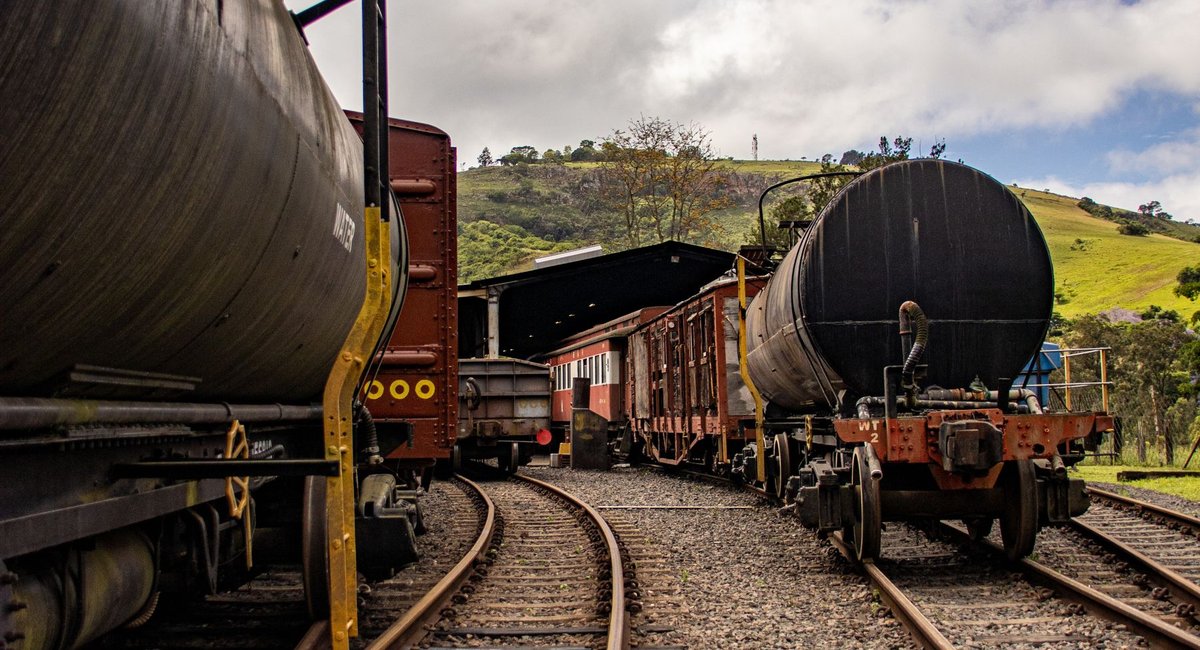
Indonesian cement rail freight run by state railway PT Kereta Api Indonesia (KAI) reached 1,829,352 tonnes of cement and clinker in January–September 2026, according to a KAI release dated 14 October 2026. That is roughly a fifth of all KAI non-coal cargo. For hardware stores, contractors and homeowners renovating, rail has become one of the main routes that keeps cement on distributor shelves.
Key Facts
- KAI carried 1,829,352 tonnes of cement and clinker in January–September 2026, out of 9,148,571 tonnes of non-coal cargo (2026-10-14, source: KAI, 14 Oct 2026).
- KAI total non-coal freight rose 2.6% compared with the same period last year (2026-10-14, source: KAI, 14 Oct 2026).
- KAI Regional Division IV Tanjungkarang carried 153,360 tonnes of bagged cement and 44,072 tonnes of bulk cement up to September 2026 (2026-10-13, source: Liputan6, 13 Oct 2026).
- By the end of July 2026 KAI cement freight stood at 1,357,524 tonnes, with revenue of Rp82.51 billion (2026-08-12, source: KAI, 12 Aug 2026).
Cement rail freight grows across Java and Sumatra
The September figure extends a mid-year trend. At the end of July 2026, KAI had moved 1,357,524 tonnes of cement, around 19.4% of its non-coal cargo at that point. That means about 471,000 tonnes were added in August and September alone. Averaged since January, the railway moved roughly 6,700 tonnes of cement and clinker every day.
KAI VP of Corporate Communication Anne Purba said rail offers high-volume shipments, measurable schedules and less pressure on roads. The service runs on several corridors in Java and Sumatra.
Examples from Sumatra
In South Sumatra, trains carry Semen Baturaja clinker to its grinding plant in Palembang and haul bulk cement in capsule wagons. In West Sumatra, Semen Padang clinker travels on the Indarung–Bukit Putus line to Teluk Bayur port before going on by sea. Around Lampung, KAI Regional Division IV Tanjungkarang recorded 296,232 tonnes of cement and fuel freight up to September, working with Semen Baturaja, KAI Logistik and Pertamina.
Why rail matters for cement prices and stock
Cement is heavy and low-margin, so transport costs weigh heavily on the shelf price. An example from West Java shows the difference. When the Kretek station freight terminal was reactivated in early 2025, KAI Logistik said moving cement from the Palimanan plant in Cirebon to a warehouse in Wangon took about 10–12 hours by truck but only about 5 hours by train. The terminal targeted 1,280 tonnes a day and also cut the number of over-dimension, overloaded (ODOL) trucks on the road.
More predictable transit times let distributors keep leaner warehouse stock without running out. For home projects, that means a lower risk of work stopping because cement arrives late, especially near year end when many projects race deadlines.
What it means for building material buyers
- Main shipments from plants to distributor warehouses increasingly go by rail and sea; the weak point is the last leg from warehouse to site.
- In the rainy season, truck access to sites can be disrupted. Schedule cement deliveries early and store bags dry on pallets.
- For projects outside Java, ask which warehouse the goods come from and the expected delivery time before ordering in bulk.
Warehouses close to customers plus a delivery fleet is the model homeX is building as an integrated building materials and furniture platform in Indonesia with showroom, warehousing and delivery services. Renovation materials can be ordered in one quotation request and delivered from the warehouse to the site.
Cement rail freight: related articles and products
- Inter-island cement shipping and vessel constraints
- National logistics costs and building materials
- Truck restrictions and material delivery schedules
- homeX building materials catalog
FAQ
How much cement did KAI carry by rail in 2026? KAI carried 1,829,352 tonnes of cement and clinker in January–September 2026, out of 9.15 million tonnes of non-coal cargo.
Where is cement moved by rail in Indonesia? On several corridors in Java and Sumatra, such as Semen Baturaja traffic in South Sumatra and Semen Padang clinker on the Indarung–Bukit Putus line to Teluk Bayur.
Is rail faster than trucks for cement? On the Palimanan–Wangon route, KAI Logistik said trucks took about 10–12 hours while trains took about 5 hours.
For building and renovation material needs, reach the homeX team on WhatsApp +62 821 1818 998, by email at homex9998@gmail.com or through our contact page.
Sources: KAI, 14 Oct 2026; Liputan6, 13 Oct 2026; KAI, 12 Aug 2026; aboutcirebon.id, 23 Jan 2025