Indonesia Logistics Cost Target of 12.5% of GDP: What It Means for Building Materials
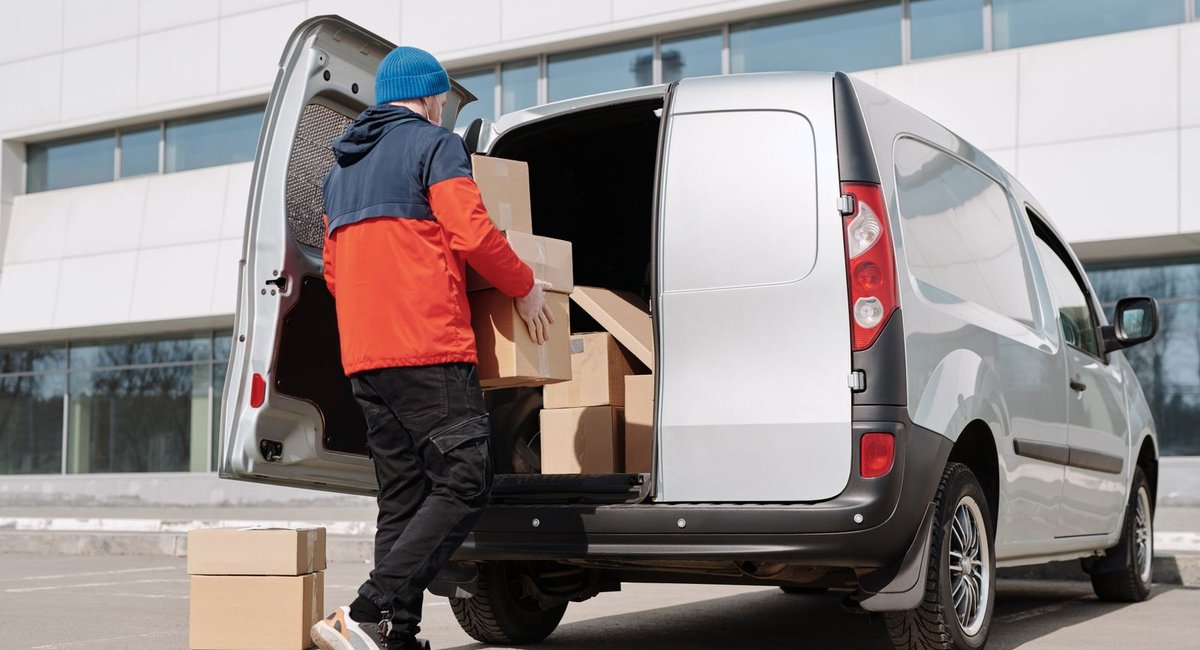
The government aims to cut the Indonesia logistics cost burden from 14.29 percent of GDP in 2022 to 12.5 percent in 2029 and 8 percent in 2045 under Presidential Regulation (Perpres) No. 41 of 2026 on Strengthening National Logistics. For building materials, which are heavy, bulky and moved in high volumes, efficient warehouses, trucks and delivery data will shape the price that reaches the job site.
Indonesia logistics cost targets under Perpres 41/2026
ANTARA and Kompas.com reported that Coordinating Minister for Economic Affairs Airlangga Hartarto said on Thursday, 15 October 2026, that President Prabowo Subianto had tasked him with coordinating the strengthening of the national logistics ecosystem. The instruction was followed up through Perpres 41/2026, promulgated on 16 July 2026.
The regulation sets three main strategies: strengthening connectivity infrastructure, backbone services and logistics support facilities; strengthening logistics integration and digitalisation; and improving the competitiveness of human resources and logistics service providers. "With a more efficient and integrated logistics system, our export products will be more competitive, and products in the domestic market will be more affordable for the public," Airlangga said.
NLE, dry ports and multimodal transport
One step is to strengthen the National Logistics Ecosystem (NLE) platform through end-to-end digital services. According to Airlangga, NLE has so far reduced logistics costs by up to 17 percent and cut service time by up to 73 percent. The government is also promoting dry ports, including at the Batang Integrated Industrial Estate, to ease truck traffic on highways and bring customs services closer to industrial zones. Integrating road, rail and sea transport into a multimodal system is a priority so that goods distribution relies less on roads.
Truck fleet renewal through KIPK
On financing, the government is encouraging use of the Labour-Intensive Industry Credit (KIPK) to renew an ageing truck fleet. Under Coordinating Minister for Economic Affairs Regulation No. 10 of 2026, the transport and warehousing sector can now access KIPK. The government is also building logistics skills through vocational training and competency certification.
Building-materials producers move stock closer to the market
At company level, the same pattern is visible. On its official LinkedIn account on 1 October 2026, Avian Brands announced the opening of its 151st distribution centre in South Surabaya. The paint and building-materials company said the new facility supports faster deliveries, consistent product availability and stronger support for business partners, backed by a national distribution network serving more than 60,000 retail stores.
The message is clear: stock needs to sit close to stores and projects. For products such as paint, dry-mix mortar, gypsum board or pipes, freight and waiting time are often a significant part of the total cost, so warehouses near the market and well-planned delivery routes help keep prices reasonable.
What buyers and hardware stores can do
- Combine several items into one delivery to lower the cost per unit.
- Choose suppliers with a warehouse near the project and a clear delivery schedule.
- Ask for digital delivery notes and proof of receipt so discrepancies are easy to trace.
- Plan project stock early before the rainy season or holidays, when logistics flows are usually congested.
homeX, an integrated building-materials and furniture service platform in Indonesia, is building a similar model from Tangerang: a showroom to see product samples, a warehouse to hold stock and delivery to site, with the long-term aim of an integrated building-materials warehousing and delivery network. homeX prepares the materials while partner tukang (craftsmen) help with delivery and installation. For quotes and delivery schedules, contact WhatsApp +62 821 1818 998.
FAQ
What is Indonesia's logistics cost target? 12.5 percent of GDP by 2029 and 8 percent by 2045, down from 14.29 percent in 2022, under Perpres 41/2026.
How has NLE affected logistics costs? According to Minister Airlangga, NLE has cut logistics costs by up to 17 percent and service time by up to 73 percent.
How can buyers reduce building-material delivery costs? Combine orders, choose suppliers with warehouses near the project, and plan stock early when logistics flows are congested.
Indonesia logistics cost: related articles and products
Related articles:
- Building-material warehouses are scarce: Greater Jakarta occupancy at 96.4%
- B2B building-materials platforms and supply-chain digitalisation
- Building-materials distributors expand showrooms and warehouses
Related products at homeX:
Sources: ANTARA, 15 Oct 2026; Kompas.com, 15 Oct 2026; Avian Brands (official LinkedIn), 1 Oct 2026