Buton Asphalt Plant in Java: China's Xi'an Zhongli Plans US$60 Million
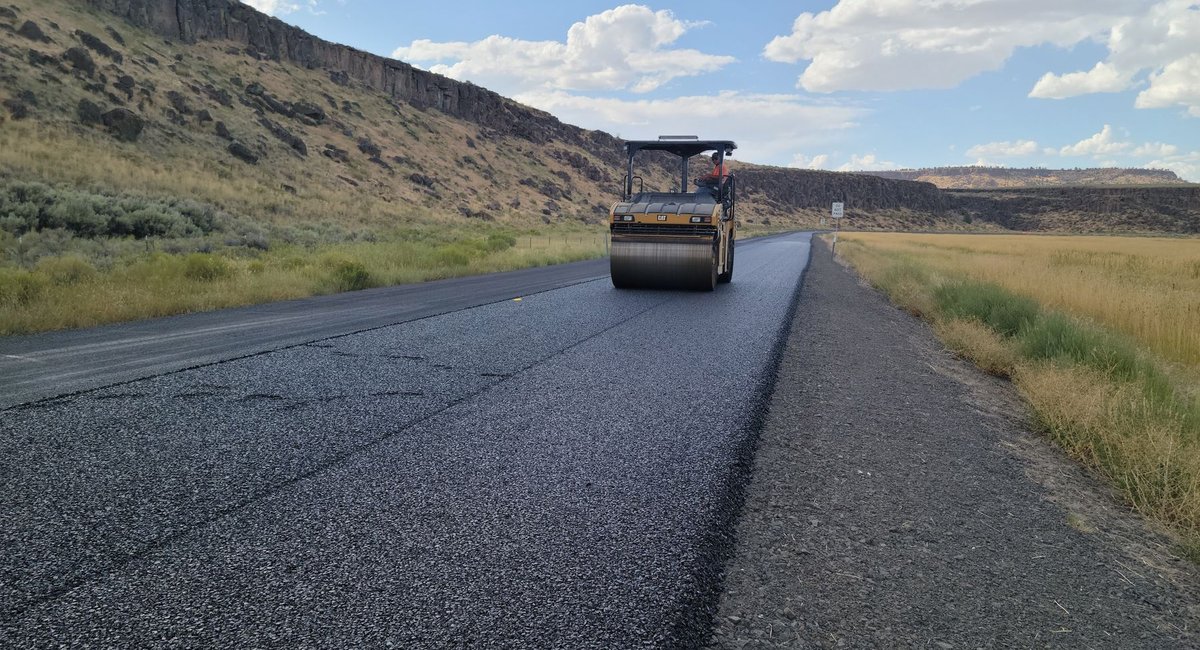
The planned Buton asphalt plant in Java is one of the latest signals of Chinese investment in Indonesia's construction-materials sector. According to detikFinance (28 October 2026), Xi'an Zhongli Asphalt Co., Ltd. presented plans for a Buton-asphalt-based plant with a capacity of 600,000 tonnes a year, worth about US$60 million or Rp1.09 trillion. The bottom line: the project is still at the investment-plan stage, but its direction is clear—replacing part of Indonesia's petroleum asphalt imports and opening an export market.
Key Facts
- Xi'an Zhongli Asphalt Co., Ltd. plans a Buton-asphalt-based plant with 600,000 tonnes of annual capacity on Java (2026-10-28, source: detikFinance, Rosan: China plans Rp1 trillion Buton asphalt plant in Java (28 Oct 2026)).
- The investment is about US$60 million or Rp1.09 trillion (at Rp18,183), to be carried out in stages up to full capacity (2026-10-28, source: detikFinance, Rosan: China plans Rp1 trillion Buton asphalt plant in Java (28 Oct 2026)).
- The plan emerged from meetings between Investment and Downstreaming Minister Rosan Roeslani and company executives in Shanghai on 22–23 October 2026 (2026-10-28, source: detikFinance, Rosan: China plans Rp1 trillion Buton asphalt plant in Java (28 Oct 2026)).
- Indonesia imported US$453 million, about 970,000 tonnes, of petroleum bitumen in 2024, per World Bank WITS data cited by the outlet (2026-10-29, source: Indonesia Business Post, China's Xi'an Zhongli targets US$60 million asphalt plant in Java (29 Oct 2026)).
- Singapore was the largest supplier with 770,126 tonnes worth US$366 million (2026-10-29, source: Indonesia Business Post, China's Xi'an Zhongli targets US$60 million asphalt plant in Java (29 Oct 2026)).
What Xi'an Zhongli's Buton asphalt plant would involve
During meetings in Shanghai on 22–23 October 2026, Investment and Downstreaming Minister and BKPM head Rosan P. Roeslani met executives from several Chinese companies. One outcome was a plan by Xi'an Zhongli Asphalt Co., Ltd. to build a processing plant based on Buton asphalt on the island of Java. The stated capacity is 600,000 tonnes per year, with an investment of about US$60 million, or Rp1.09 trillion at an exchange rate of Rp18,183.
Rosan said the investment would be made in stages until the plant reaches full capacity. It has two goals: substituting imported petroleum asphalt and serving export markets. The exact site in Java has not been announced, nor has a construction timetable, so we cannot say when production will start.
Why petroleum asphalt imports are the main driver
Indonesia Business Post cites World Bank World Integrated Trade Solution (WITS) data based on UN Comtrade: Indonesia imported US$453 million of petroleum bitumen in 2024, about 970,000 tonnes. Singapore was the largest supplier, shipping 770,126 tonnes worth US$366 million. If 600,000 tonnes a year is actually reached, it would equal a sizeable share of that annual import volume, although processed Buton asphalt and petroleum asphalt are not interchangeable for every job specification.
Buton asphalt comes from Buton Island in Southeast Sulawesi and has long been on the government's downstreaming agenda. Success will depend on raw-material logistics from Sulawesi to Java, road-project quality standards and secure buyers.
What it means for the construction-materials market and suppliers
Asphalt is used mostly for road paving, so its main buyers are road contractors and government projects. Bitumen is also familiar in buildings through waterproofing products such as torch-on membranes and bitumen coatings for concrete roof decks. Any price effect cannot be judged before the plant operates.
For suppliers and investors from China, the Xi'an Zhongli plan shows Indonesia is open to investment that processes local raw materials and cuts imports. homeX, a building-materials platform with a showroom, warehousing and delivery in Indonesia, will keep tracking this, because materials downstreaming policy also affects waterproofing choices and project costs for our customers.
Buton asphalt plant: related articles and products
- Merak bitumen tanks and materials logistics
- China investment and industrial estates 2026: meaning for building materials
- No Drop paint prices including No Drop Bitumen Black
- PPR pipe for project water installations
- homeX building materials catalog
FAQ
Which Chinese company is behind the plan? China's Xi'an Zhongli Asphalt Co., Ltd., according to Investment and Downstreaming Minister Rosan Roeslani after meetings in Shanghai on 22–23 October 2026.
What capacity and investment are planned? 600,000 tonnes a year for about US$60 million or Rp1.09 trillion, built in stages up to full capacity.
When will the plant start operating? Not announced yet. The sources we checked give neither an exact site nor a construction or production schedule.
For building and renovation material needs, reach the homeX team on WhatsApp +62 821 1818 998, by email at homex9998@gmail.com or through our contact page.
Sources: detikFinance, Rosan: China plans Rp1 trillion Buton asphalt plant in Java (28 Oct 2026); Indonesia Business Post, China's Xi'an Zhongli targets US$60 million asphalt plant in Java (29 Oct 2026)