ODOL Cement Trucks: 15,246 Cement and 26,055 Sand Loads Flagged
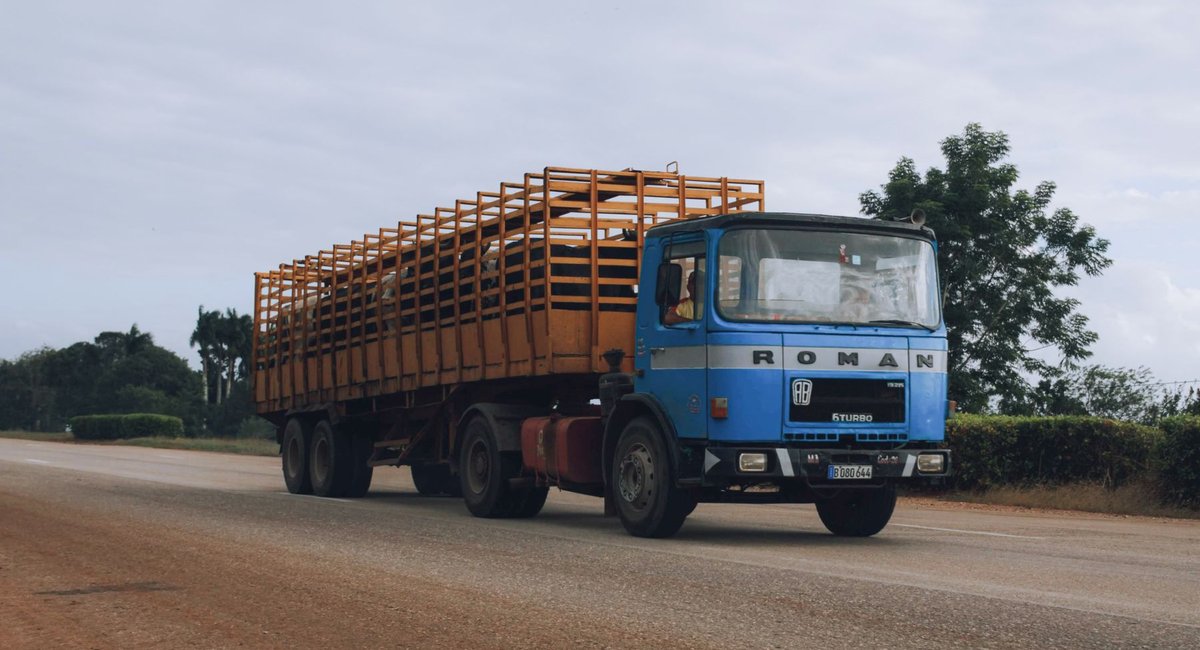
ODOL cement trucks were among the top five offending commodities in Indonesian Transport Ministry inspection data from January to 30 October 2026. Land Transport Director General Aan Suhanan, quoted by ANTARA on 3 November 2026, reported 15,246 cement-carrying vehicles and 26,055 sand-carrying vehicles in violation at 89 weighbridge units. For distributors and contractors, the figures are a reminder that heavy material deliveries must be planned within legal load capacity ahead of the zero over-dimension, over-loading (ODOL) target in 2027.
Key Facts
- Of vehicles checked at 89 weighbridge units (UPPKB), about 1.8 million (73.66%) complied and more than 676,000 (26.34%) violated rules in January–30 October 2026 (2026-11-03, source: ANTARA, Transport Ministry tightens freight checks ahead of zero ODOL 2027 (3 Nov 2026)).
- Document violations led with 446,000 vehicles (50.25%), followed by load-capacity violations at about 430,000 (48.45%) (2026-11-03, source: ANTARA, Transport Ministry tightens freight checks ahead of zero ODOL 2027 (3 Nov 2026)).
- Top offending commodities: mixed goods 42,433, parcels 36,797, sand 26,055, CPO 18,470 and cement 15,246 vehicles (2026-11-03, source: ANTARA, Transport Ministry tightens freight checks ahead of zero ODOL 2027 (3 Nov 2026)).
- Enforcement covered 205,016 offending vehicles (30.32%), of which 191,353 received warnings (2026-11-08, source: CNBC Indonesia, five companies with the most ODOL trucks (8 Nov 2026)).
- Weigh In Motion technology at 11 UPPKB detected more than 3.5 million vehicles (2026-11-08, source: CNBC Indonesia, five companies with the most ODOL trucks (8 Nov 2026)).
ODOL cement trucks and sand loads in the 2026 data
The Transport Ministry is tightening freight inspections through its motor-vehicle weighing units (UPPKB) ahead of the zero-ODOL target in 2027. Aan Suhanan said document violations remain the most common, at about 446,000 vehicles. Load-capacity violations follow with about 430,000 vehicles, then dimension violations (6,777), loading-method violations (4,601) and technical-requirement violations (143). In the commodity list, sand ranks third and cement fifth. Both are staple materials for concrete, masonry and plastering, so the findings bear directly on the building-materials supply chain.
Enforcement, Weigh In Motion and the top offenders
Of the more than 676,000 offending vehicles, 205,016, or 30.32 percent, faced enforcement. Most were warnings (191,353 vehicles), while 6,976 were ticketed, 6,022 were fined by UPPKB officers and 665 were ticketed by police. Monitoring also uses Weigh In Motion (WIM) technology at 11 UPPKB sites, including Balonggandu, Kertapati, Talang Kelapa and Tabalong. WIM detected more than 3.5 million vehicles, 1.6 million of them registered in the Blu-e system and 1.9 million not. The ministry listed the five companies with the most violations by initials, led by PT SIL with 2,544 vehicles. Coverage of daily freight traffic by inspections rose to 8.91 percent from 7.47 percent in 2025.
What it means for cement, sand and other material deliveries
Stricter checks raise the risk of delays for shipments that exceed load capacity or lack complete documents. For building-material shops, distributors and contractors, sensible steps include keeping load weight within vehicle capacity, keeping vehicle papers and periodic roadworthiness tests current, and planning delivery schedules for the extra trips that may be needed if per-truck loads are limited. The ministry says it will review violation trends regularly and monitor the consistency of WIM and online weighbridge data. homeX, an Indonesian building-materials platform with showroom, warehousing and delivery, treats load compliance as part of material logistics planning, not only a driver issue.
ODOL cement trucks: related articles and products
- B2B building-material supply model: warehouses, ODOL and logistics
- AZKO’s 29 distribution centres and materials logistics
- Cement shortage in Kupang and distribution
- A Plus gypsum board for partitions and ceilings
- homeX building materials catalog
FAQ
How many cement trucks violated ODOL rules in 2026? Ministry data for January–30 October 2026 show 15,246 cement-carrying vehicles in violation, fifth among commodities after mixed goods, parcels, sand and CPO.
Which violation type is most common? Document violations at about 446,000 vehicles (50.25%), followed by load-capacity violations at about 430,000 vehicles (48.45%).
How is monitoring carried out? Through 89 UPPKB weighing units and Weigh In Motion technology at 11 sites that detected more than 3.5 million vehicles, with zero ODOL targeted for 2027.
For building and renovation material needs, reach the homeX team on WhatsApp +62 821 1818 998, by email at homex9998@gmail.com or through our contact page.
Sources: ANTARA, Transport Ministry tightens freight checks ahead of zero ODOL 2027 (3 Nov 2026); CNBC Indonesia, five companies with the most ODOL trucks (8 Nov 2026)