Screed and Self-Levelling Codes EN 13813: What CT-C25-F6, C, F and AR Mean
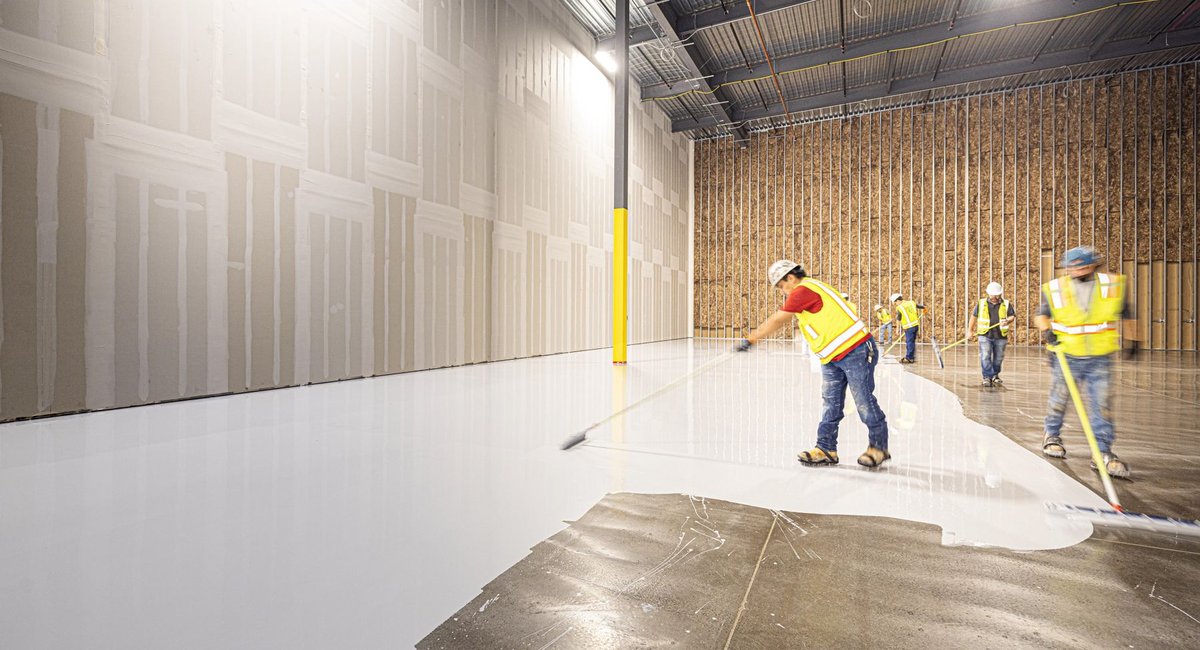
An EN 13813 screed code on a bag of self-levelling compound or floor screed, such as CT-C25-F6, is a performance summary under the European standard: CT means cement-based, C25 means compressive strength of 25 N/mm² and F6 means flexural strength of 6 N/mm². Understanding the code lets you compare floor levellers from different brands before laying ceramic tiles, vinyl, SPC or carpet, rather than relying on “strong” claims on the packaging.
Key Facts
- EN 13813 groups screed materials by binder: CT cement, CA calcium sulfate, MA magnesite, AS mastic asphalt and SR synthetic resin (2026-11-12, source: CEN: EN 13813:2002 Screed material and floor screeds (BS EN copy, Nobelcert)).
- EN 13813 Table 2 compressive classes: C5, C7, C12, C16, C20, C25, C30, C35, C40, C50, C60, C70, C80 (number = N/mm²); Table 3 flexural classes: F1–F7, F10, F15, F20, F30, F40, F50 (2026-11-12, source: CEN: EN 13813:2002 Screed material and floor screeds (BS EN copy, Nobelcert)).
- Sika UK lists Sikafloor-100 Level with an EN 13813 declaration of CT-C25-F6, layer thickness 2–10 mm and consumption of 1.5 kg/m² per mm (2026-11-12, source: Sika UK: Sikafloor-100 Level).
- Sika Indonesia’s Sikafloor-55 Level data sheet states ~50 N/mm² 28-day compressive strength and requires a concrete substrate of at least 25 N/mm² with at least 1.5 N/mm² bond strength (2026-11-12, source: Sika Indonesia: Sikafloor-55 Level technical data sheet (Oct 2022)).
Structure of the EN 13813 code
EN 13813 is the European standard for screed material and floor screeds. Clause 7 requires every material to be designated with at least its binder type and its class for each normative requirement. The standard's own example: a cementitious screed material not used as a wearing surface with strength classes C20 and F4 is written “EN 13813 CT-C20-F4”.
The leading letters show the binder: CT for cement, CA for calcium sulfate (anhydrite), MA for magnesite, AS for mastic asphalt and SR for synthetic resin such as epoxy. Property codes follow. For cement-based products, compressive strength (C) and flexural strength (F) must be declared by the manufacturer.
What C and F mean
C is followed by the compressive strength in N/mm². Table 2 of the standard lists classes C5, C7, C12, C16, C20, C25, C30, C35, C40, C50, C60, C70 and C80. F is followed by the flexural strength in N/mm², with classes F1 to F7 and then F10, F15, F20, F30, F40 and F50. Testing follows EN 13892-2.
So CT-C25-F6 means a cement-based material in compressive class 25 N/mm² and flexural class 6 N/mm². As a real example, Sika UK declares Sikafloor-100 Level as CT-C25-F6, with compressive strength ≥25 N/mm² and flexural strength ≥6 N/mm² after 28 days at 23 °C, and reaction-to-fire class A1fl.
Extra codes: AR, A, RWA, B and others
For screeds that will be the wearing surface (with no floor covering), the manufacturer must also declare wear resistance. There are three methods: Böhme with code A (A22 down to A1,5, the number being abraded volume in cm³/50 cm²), BCA with code AR (AR6, AR4, AR2, AR1, AR0,5; AR1 means maximum wear depth of 100 µm), and rolling wheel with code RWA (RWA300 down to RWA1). Other codes that may appear are B for bond strength, IR for impact resistance, SH for surface hardness and E for modulus of elasticity.
The standard also allows special ingredients to be named. An example is “EN 13813 Polymer-modified CT-C40-F10-B1,5” for a polymer-modified cement screed with bond strength class 1.5 N/mm².
Reading self-levelling data sheets in Indonesia
Not every data sheet in Indonesia states an EN 13813 code. Sika Indonesia's technical data sheet for Sikafloor-55 Level (October 2022), for instance, gives a 28-day compressive strength of about 50 N/mm² on 15 cm cubes, a 35 kg set and a 10 mm maximum aggregate size, but no CT class. The same sheet requires a concrete substrate with at least 25 N/mm² compressive strength and at least 1.5 N/mm² bond strength, and protection from water for at least 24 hours after application.
When no code is printed, compare compressive strength, flexural strength, layer thickness range and waiting time before covering. Also check that test methods and specimen ages match, because 28-day figures from concrete cubes are not always comparable with mortar prisms.
Tips for choosing a screed for floor renovation
For floors that will be covered with tiles, vinyl or SPC, flexural strength and flatness usually matter more than wear resistance. For warehouse or parking floors left exposed, look for an AR or RWA declaration. Follow the maker's minimum and maximum thickness, do not add more water than specified, and prepare a sound, clean base. The homeX team can help source floor levelling products whose data sheets match your project needs.
EN 13813 screed code: related articles and products
- Render skim, filler and skim coat: when to use and typical thickness
- Tile adhesive class C2TE: C1, C2, T, E, S1 in EN 12004
- Laminate flooring AC classes: AC1–AC5, classes 21–33 and how to choose
- homeX building materials catalog
FAQ
What does CT-C25-F6 on a self-levelling bag mean? CT means a cement-based screed, C25 compressive class 25 N/mm² and F6 flexural class 6 N/mm² under EN 13813.
Is a higher C class always better? Not always. A levelling layer under a floor covering also needs suitable flexural strength, bond and thickness; a very hard product on a weak substrate can still crack or debond.
What is AR1 on a screed or epoxy floor? AR1 is a BCA wear resistance class with a maximum wear depth of 100 µm. It matters for floors trafficked directly without a covering.
For building and renovation material needs, reach the homeX team on WhatsApp +62 821 1818 998, by email at homex9998@gmail.com or through our contact page.
Sources: CEN: EN 13813:2002 Screed material and floor screeds (BS EN copy, Nobelcert); Sika UK: Sikafloor-100 Level; Sika Indonesia: Sikafloor-55 Level technical data sheet (Oct 2022)