Low-Carbon Cement and Steel Take Centre Stage in Indonesia's Green Public Procurement
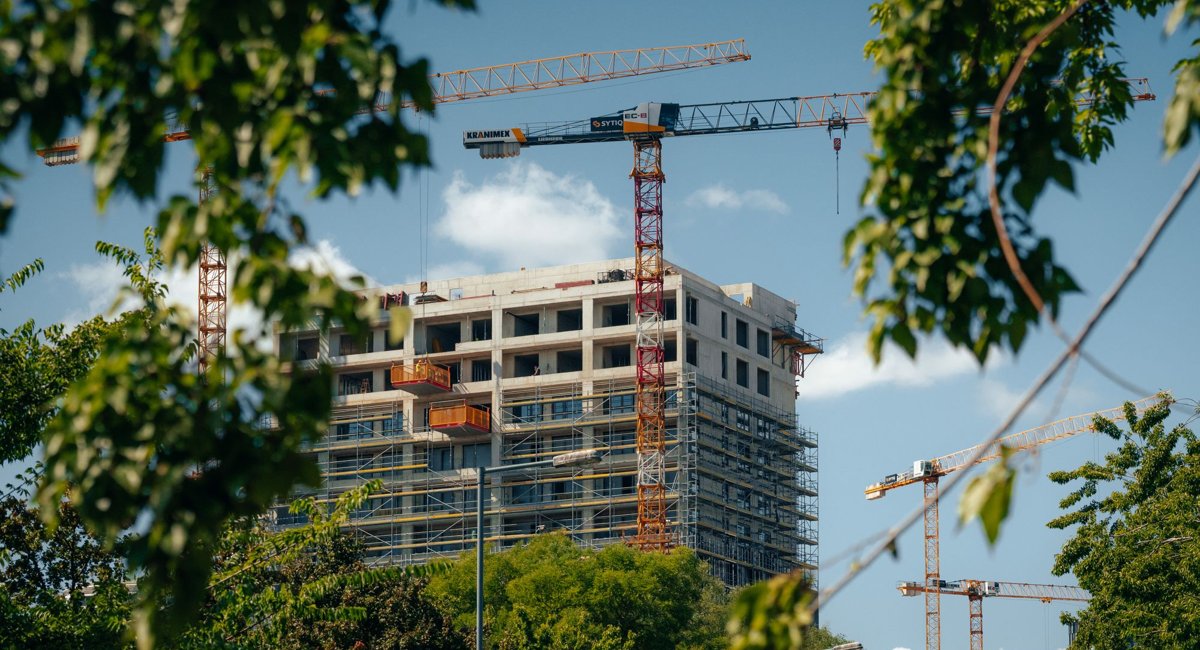
Indonesia's Public Works Ministry is strengthening sustainable procurement from 2026, using government purchasing to push low-carbon cement and steel.
Indonesia's Ministry of Public Works (PU), through its Directorate General of Construction Development, has reaffirmed its commitment to strengthen sustainable procurement of goods and services from 2026. The commitment was made at the Regional Dialogue on Green Public Procurement: Advancing Industrial Decarbonization in Asia, held in Jakarta on 6–8 October 2026.
A cross-country forum
The forum brought together government officials, industry players, international institutions and development partners from Indonesia, Malaysia, Thailand, Vietnam, India and Bangladesh. Representatives of the ministry's construction procurement directorate and its construction safety and sustainability directorate sat on panels discussing policy, implementation challenges and how to build sustainability criteria into construction procurement.
Cement and steel are central
According to the directorate's release, government procurement is seen as a strategic lever to move industry towards low-emission construction materials, especially cement and steel. Participants also discussed supporting tools such as e-procurement, ecolabels, Environmental Product Declarations (EPDs) and carbon footprint measurement, which are needed to identify, verify and report sustainable procurement. The programme included a visit to the Jakarta MRT project as an example of sustainable infrastructure.
What industry should prepare
If sustainability criteria increasingly appear in government tenders, manufacturers and suppliers will need verifiable data such as EPDs, ecolabel certificates and product carbon information. In cement, lower-clinker products such as hydraulic or composite cements are already widely available and suit many general works. Contractors can also start recording the origin and specifications of materials now, so they are ready when such requirements become standard.
For the wider market, the policy direction signals that quality, safety and environmental impact will increasingly go hand in hand when choosing building materials.
Where homeX fits in
As a one-stop building materials and furniture service platform in Indonesia, homeX follows these developments closely. With a showroom, warehousing and delivery based in Tangerang, we aim to help contractors, building-material shops and homeowners get materials of clear quality, visible stock and deliveries they can plan around.
FAQ
What tools are used to assess green construction materials? Participants discussed e-procurement, ecolabels, Environmental Product Declarations (EPDs) and carbon footprint measurement to identify, verify and report sustainable procurement.
When and where was the green procurement forum held? The Regional Dialogue on Green Public Procurement took place in Jakarta on 6–8 October 2026, with participants from Indonesia, Malaysia, Thailand, Vietnam, India and Bangladesh.
Low-carbon cement: related articles and products
Related articles:
- Indonesia Cement Demand Rises 10.2% in H1 2026 Amid Overcapacity
- Cement Types in Indonesia: OPC vs PCC vs PPC and When to Use Each
- BIM in Indonesian Construction and AI Gain Pace: INKINDO DKI–I2MI Deal
Related building materials at homeX: