Cement Types in Indonesia: OPC vs PCC vs PPC and When to Use Each
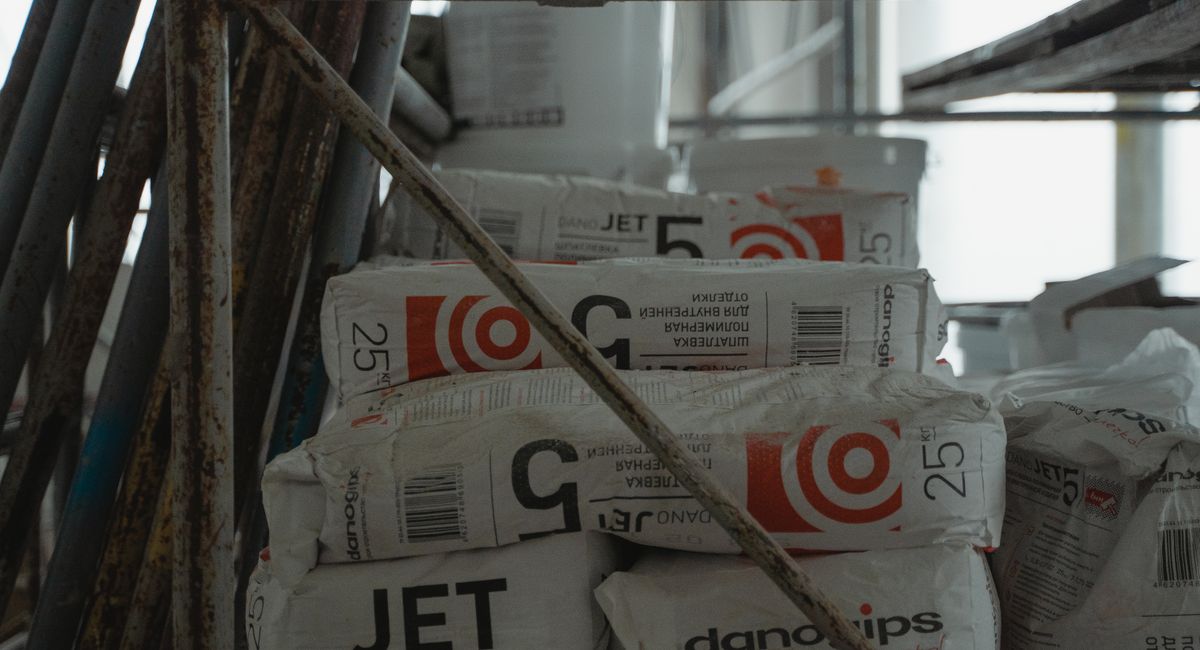
Shoppers usually ask for "a 50 kg bag of cement", but several cement types in Indonesia — OPC, PCC and PPC — have different standards and uses.
Cement is not just "cement"
At a building-supply store, customers usually just ask for "a 50 kg bag of cement". Yet several cement types with different standards and uses are sold in Indonesia. Knowing the differences helps contractors save money, avoid cracking and build durable structures. Cement must carry the SNI mark under Minister of Industry Regulation No. 26 of 2024.
1. Portland cement (OPC) — SNI 2049-1:2020
Ordinary Portland Cement consists of clinker and gypsum and comes in five types:
- Type I: general use with no special requirements — building structures, roads, bridges.
- Type II: moderate sulfate resistance and moderate heat of hydration — structures in soil or water with moderate sulfate, jetties.
- Type III: high early strength — precast concrete and work needing early formwork removal.
- Type IV: low heat of hydration — mass concrete such as dams and thick foundations.
- Type V: high sulfate resistance — coastal, swamp or high-sulfate soil construction.
Type I OPC is commonly sold in 40 kg/50 kg bags or in bulk for ready-mix batching plants.
2. Portland Composite Cement (PCC) — SNI 7064:2022
PCC blends clinker and gypsum with other inorganic materials such as blast-furnace slag, pozzolan, fly ash or limestone. It is now the most common bagged cement in Indonesian retail. Advantages: better workability, smoother plaster, lower heat of hydration (fewer hairline cracks) and a lower carbon footprint. Early strength develops slightly more slowly than OPC, but 28-day strength is fully adequate for housing. PCC suits masonry, plastering, skim coats, residential concrete, paving and concrete blocks.
3. Portland Pozzolan Cement (PPC) — SNI 0302:2014
PPC contains natural or artificial pozzolans, which react with the free lime released by cement hydration, making concrete denser and more resistant to sulfates and seawater. It suits water structures, irrigation channels, foundations in damp ground and coastal buildings.
4. Matching cement to the job
- Houses, shophouses, plaster and brickwork: PCC.
- Structural concrete in multi-storey buildings (high grade): OPC Type I or as specified by the engineer.
- Precast and fast-track work: OPC Type III.
- Coastal, swamp, seawater exposure: OPC Type V or PPC.
- Tile grout and white finishes: white cement (SNI 129:2018).
5. Storage in warehouse and on site
- Store in a dry, covered room on pallets at least 10 cm off the floor and away from walls.
- Stack bags no more than about 10 high so the bottom bags do not harden under pressure.
- Use FIFO (first in, first out). Bagged cement is best used within 2–3 months; check the production date.
- Cement with hard lumps that do not crumble in your hand has partly hydrated — do not use it for structural work.
6. Quality tips on site
- Do not add extra water just to make the mix flow; a high water-cement ratio significantly reduces concrete strength.
- Use clean, silt-free sand and clean water.
- Cure concrete by keeping it moist for at least 7 days, for example by spraying or covering with wet sacks or plastic.
- For structural concrete, follow the engineer's mix design or order ready-mix with a defined grade (fc').
homeX supplies SNI-certified cement from multiple brands with delivery to site. Contact our team for advice on the right type and quantity for your work.
Sumber
- JDIH BPK — Permenperin No. 26 Tahun 2024 tentang SNI Semen Secara Wajib
- Daftar SNI wajib material konstruksi (SNI 2049-1:2020, SNI 7064:2022, SNI 0302:2014)
- Portland Cement Association (PCA) — cement & concrete basics
FAQ
Which cement is most common for houses? PCC (SNI 7064:2022), which blends clinker and gypsum with slag, pozzolan, fly ash or limestone, is now the most common bagged cement for residential building.
When should Type V OPC be used? Type V has high sulfate resistance, for coastal, swamp or high-sulfate soil construction; Type I is for general use.
Cement types Indonesia: related articles and products
Related articles:
- Indonesia Cement Demand Rises 10.2% in H1 2026 Amid Overcapacity
- Cement Price per Bag Hits Rp75,000–85,000 as Bima, West Nusa Tenggara Runs Out for Two Weeks
- Low-Carbon Cement and Steel Take Centre Stage in Indonesia's Green Public Procurement
Related building materials at homeX: