Building Material Warehouses Tight as Greater Jakarta Occupancy Hits 96.4%
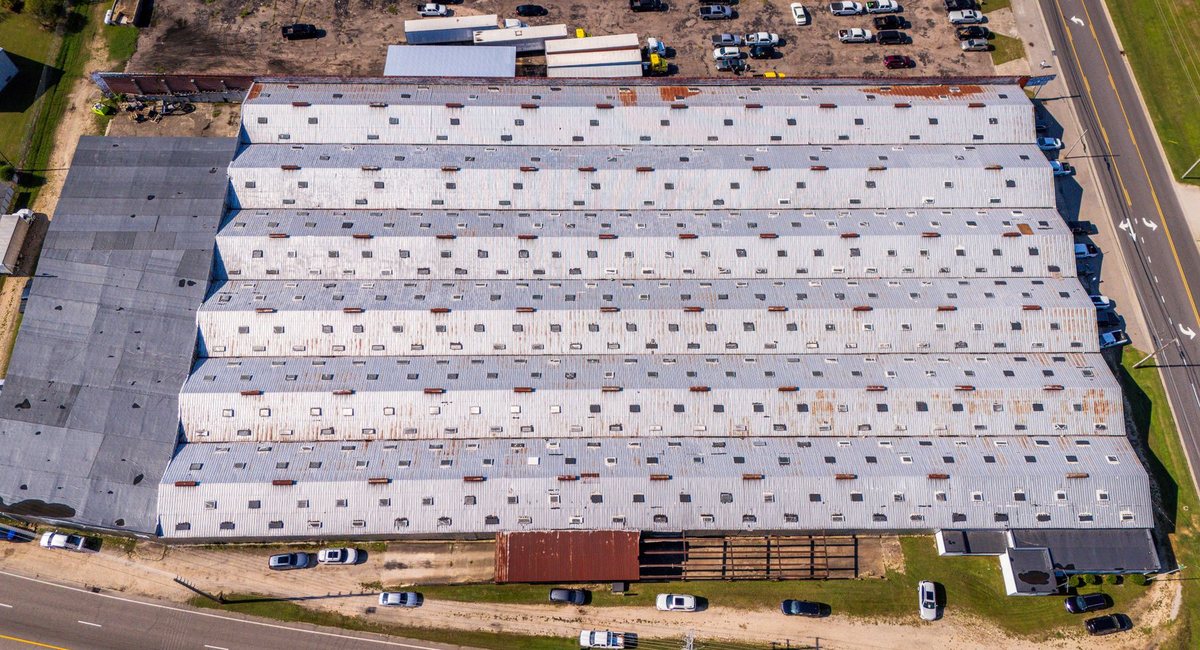
Greater Jakarta modern warehouse occupancy hit 96.4% in Q3 2026, making building material warehouse space in Jakarta harder to find.
Greater Jakarta's modern warehouse market is getting crowded. Medcom.id reports that occupancy of modern warehouses in the Jabodetabek area reached 96.4 percent in the third quarter of 2026. In other words, almost all available modern warehouse capacity is already taken, while demand from many sectors keeps coming. For the building materials trade this is an important signal: storage space and distribution efficiency now matter as much as the price of the material itself.
Demand from many sectors
According to the report, demand for modern warehouses comes from third-party logistics (3PL) providers, e-commerce, fast-moving consumer goods (FMCG), retail and manufacturing. Some new warehouse projects have even secured tenant commitments before construction is finished. This pre-leasing shows that companies are locking in storage space early because the choice of locations is shrinking.
The tight market has been visible since the start of the year. Kompas.com, citing the Colliers Quarterly Property Market Report Q1 2026, recorded Greater Jakarta logistics occupancy at 95.8 percent in the first quarter of 2026. This pushed PT Jakarta Industrial Estate Pulogadung (JIEP) to revitalise and build warehouse facilities in the roughly 433-hectare Pulogadung Industrial Estate in East Jakarta. JIEP's Nawasena and Arjuna warehouse series range from about 432 to 1,550 square metres and come with loading docks, CCTV, fire hydrants and automatic rolling doors.
The eastern corridor dominates supply
Medcom.id says around 74 percent of Greater Jakarta's modern warehouse supply sits in the eastern corridor of Bekasi, Cibitung, Cikarang and Karawang. That share is projected to rise to around 83 percent by 2029 as new supply arrives. The dominance is supported by industrial estates, toll road access and a manufacturing base. But with so many projects in the same corridor, competition between developers is getting tougher. Prospective tenants now compare truck access, distance to toll roads, building specifications, service charges and operating efficiency.
High occupancy, only small rent increases
Interestingly, high occupancy has not triggered a jump in rents. Average modern warehouse rent in the third quarter was around Rp77,600 per square metre per month and is expected to edge up to about Rp78,000 by the end of the year. Tenants look closely at the total cost of occupancy, including service and operating costs, and warehouse leases are usually long term. Planned new supply from 2027 also makes landlords cautious about raising prices.
What it means for building material distribution
Building materials such as cement, gypsum board, light steel, ceramic tiles and paint need large storage areas, good truck access and careful handling. When modern warehouses are nearly full, building material distributors and hardware stores need to plan their space needs earlier, manage stock turnover with discipline and choose locations close to toll access and project areas. For contractors, the situation underlines the value of working with a building material supplier that has visible stock and clear delivery schedules, so site work does not stop because materials arrive late.
At the same time, competition between developers is shifting towards asset quality, which gives distributors a chance to secure facilities that better fit their needs, such as warehouses with adequate loading docks and enough room for trucks to manoeuvre.
Where homeX fits in
homeX, a one-stop building materials and furniture service platform in Indonesia, is following these warehouse market trends closely. With a showroom, warehousing and delivery services in Tangerang, homeX is working to build an integrated warehousing and delivery network so that materials can be stocked closer to project sites. homeX supplies the materials, while partner tukang (craftsmen) help with delivery and installation on site.
FAQ
How full are Greater Jakarta's modern warehouses?
According to Medcom.id, occupancy reached 96.4 percent in Q3 2026, up from 95.8 percent in Q1 2026 according to Colliers data cited by Kompas.com.
What does modern warehouse space cost in Jabodetabek?
Around Rp77,600 per square metre per month on average in Q3 2026, expected to reach about Rp78,000 by year end.
What should building material buyers do?
Plan purchases earlier, make sure the supplier has clear stock and agree delivery schedules at the start of the project.
Building material warehouse Jakarta: related articles and products
Related articles:
- B2B Building Materials Platforms and Supply Chain Digitalisation: From AZKO to Dow
- Building Materials Distributors Expand Showrooms and Warehouses: Buildhaus and Fortress
- Building Materials Expo Indonesia 2026: IndoBuildTech Part 2, 25–29 November at NICE PIK 2 Tangerang
Related building materials at homeX:
Sources: Medcom.id, 15 Okt 2026; Kompas.com, 1 Okt 2026