Reaction-to-Fire Classes A1, A2, B-s1,d0: What Euroclass EN 13501-1 Means
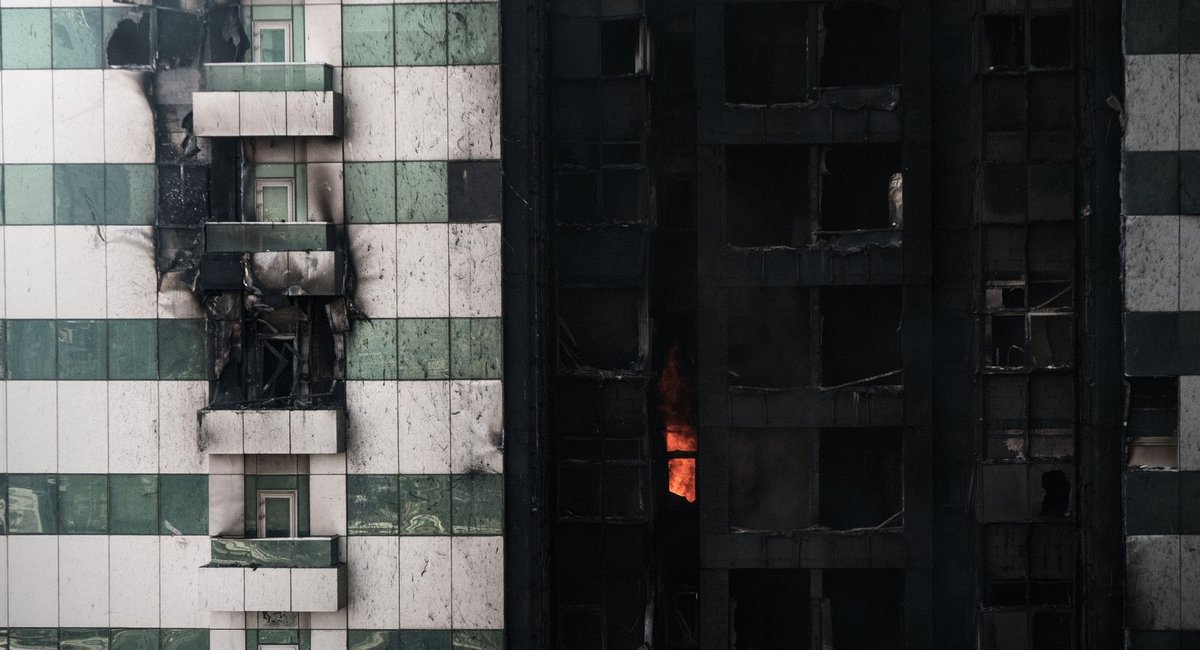
A reaction to fire class in the Euroclass system of EN 13501-1 shows how much a material contributes to a fire, not how long a wall resists it. A1 is non-combustible, then A2, B, C, D, E and F are increasingly combustible. Extra codes s1–s3 rate smoke and d0–d2 rate flaming droplets, so B-s1,d0 means limited combustibility, low smoke and no flaming droplets. These codes often appear on brochures for imported boards, panels and insulation.
Key Facts
- Class A1 requires EN ISO 1182 (temperature rise ≤ 30 °C, mass loss ≤ 50%, no sustained flaming) and an EN ISO 1716 calorific value below 2.0 MJ/kg (2026-02-27, source: Measurlabs, EN 13501-1 fire classification (updated 27 Feb 2026)).
- Mineral wool, cement, glass and ceramics with < 1% organic content can be classed A1 without testing (2026-02-27, source: Measurlabs, EN 13501-1 fire classification (updated 27 Feb 2026)).
- Classes A2 and B (non-flooring) require the EN 13823 SBI test: fire growth rate ≤ 120 W/s and total heat release in 600 s ≤ 7.5 MJ (2026-02-27, source: Measurlabs, EN 13501-1 fire classification (updated 27 Feb 2026)).
- Smoke s1: growth rate ≤ 30 m²/s² and total in 600 s ≤ 50 m²; d0: no flaming particles within 600 s (2026-02-27, source: Measurlabs, EN 13501-1 fire classification (updated 27 Feb 2026)).
Reaction to fire, not fire resistance
EN 13501-1 assesses reaction to fire: whether a material ignites easily, how fast flame spreads and how much heat it releases. This differs from fire resistance (for example a 60-minute wall), which is covered by other parts of the EN 13501 series. In the EU these classes appear in the declaration of performance and CE marking; the class required for each use is set by national building rules.
The standard has three product groups: general products (A1–F), floorings with the suffix "fl" (A1fl–Ffl), and linear pipe insulation with the suffix "L".
What each main class means
- A1: non-combustible, no contribution to fire.
- A2: very limited combustibility; EN ISO 1182 (rise ≤ 50 °C, flaming ≤ 20 s) or calorific value ≤ 3.0 MJ/kg, plus the SBI test.
- B: combustible but very limited contribution; passes SBI and the EN ISO 11925-2 small-flame test (spread ≤ 150 mm within 60 s).
- C: limited contribution; fire growth rate ≤ 250 W/s and total heat ≤ 15 MJ.
- D: medium contribution; growth rate ≤ 750 W/s.
- E: passes only the small-flame test (spread ≤ 150 mm within 20 s).
- F: fails class E or not tested; considered easily flammable.
Smoke (s) and droplet (d) codes
Classes A2, B, C and D must carry smoke and droplet codes:
- s1: smoke growth ≤ 30 m²/s² and total ≤ 50 m² in 600 s; s2: ≤ 180 m²/s² and ≤ 200 m²; s3: fails s1/s2.
- d0: no flaming particles within 600 s; d1: none lasting over 10 s; d2: fails d0/d1.
Class E can only receive d2, and A1 carries no suffix. For floorings, smoke is only s1 or s2 and there is no droplet code.
Using this when buying
- For ceilings, partitions and escape routes, choose the highest practical class (A1 or A2-s1,d0) as the designer and local rules require.
- Ask for the laboratory classification report, not just a "fire resistant" claim in a brochure. Check that the class applies to the same thickness and installation method.
- Do not confuse reaction-to-fire classes (A1, B-s1,d0) with fire resistance in minutes (EI 60 and so on).
- For floors, look for the "fl" suffix, for example Bfl-s1.
homeX, an integrated building materials and furniture platform in Indonesia with showroom, warehousing and delivery services, can help compare technical documents for boards, panels and insulation across brands.
Reaction to fire class: related articles and products
- Kalsi fibre cement board
- Gypsum ceiling guide
- MDF, particleboard and OSB classes
- homeX building materials catalog
FAQ
What does A2-s1,d0 mean? Very limited combustibility (A2), low smoke (s1) and no flaming droplets or particles during the 600-second test (d0).
Is class A1 the same as 2-hour fire resistance? No. A1 is a material reaction-to-fire class; fire resistance in minutes is assessed for complete constructions under a different classification.
Which materials are A1 without testing? Under the European Commission list, mineral wool, cement, glass, ceramics and their products with under 1% organic content can be classed A1 without testing.
For building and renovation material needs, reach the homeX team on WhatsApp +62 821 1818 998, by email at homex9998@gmail.com or through our contact page.
Sources: Measurlabs, EN 13501-1 fire classification (updated 27 Feb 2026); Promat, Combustibility groups and classes (accessed 3 Nov 2026)