Wall Sealer vs Alkali Primer vs Undercoat: When Each Is Needed
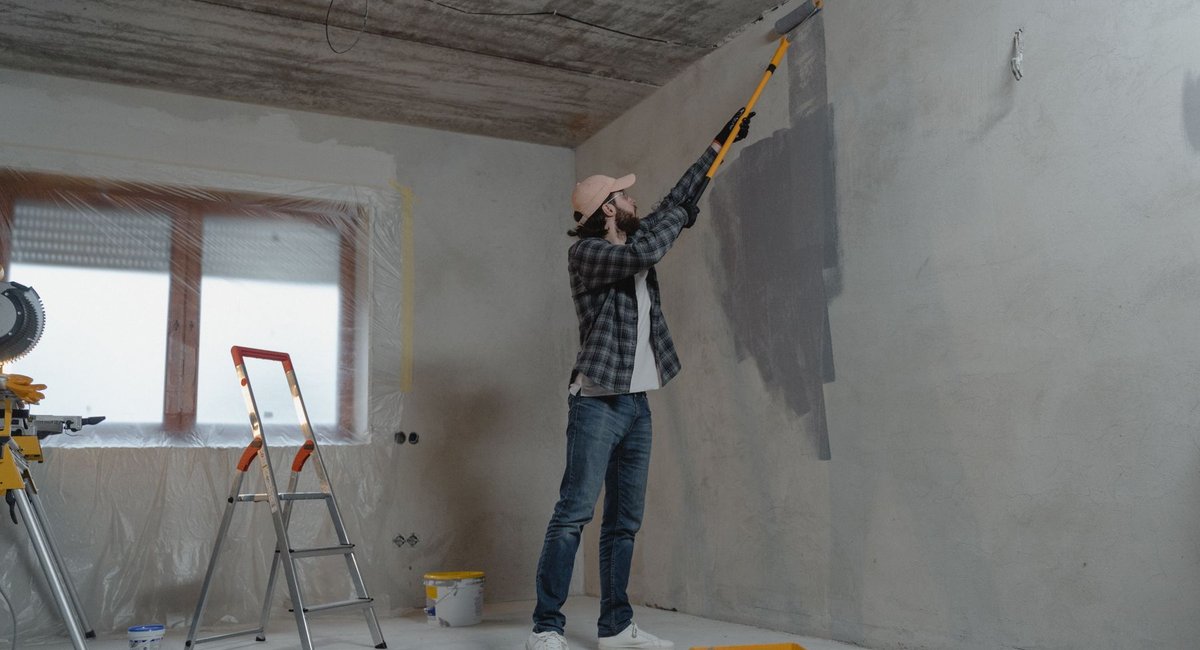
Wall paint sealer, alkali primer and undercoat are often sold as “base coats”, yet they do different jobs. A sealer closes pores and suction; an alkali primer resists salts on new masonry; an undercoat evens colour and small defects before the top coat. The wrong sequence or a missing layer leads to patchy, blistering or fast-fading finishes. This article separates the three using TDS from brands sold in Indonesia.
Key Facts
- detikProperti (23 Feb 2024, citing paintaccess.com): primer for adhesion and a smoother base (metal, wood, plaster); undercoat to hide old colour/scratches on previously painted walls; sealer for porous/uneven surfaces such as concrete and brick (2026-11-07, source: detikProperti: primer vs undercoat vs sealer (23 Feb 2024, citing paintaccess.com)).
- Nippon 3-IN-1 Anti-Alkali Primer Sealer: avoid painting if wall pH >9 and moisture >12% (Protimeter) or >6% (Elcometer); new walls typically need ~1 month; theoretical coverage 10–12 m²/L/coat (2026-11-07, source: Nippon Paint Indonesia: 3-IN-1 Anti-Alkali Primer Sealer TSDS (code 1.2201)).
- Dulux Professional Diamond Sealer A1000: water-based alkali-resistant sealer for new interior masonry; moisture <17% (Protimeter) and pH <9; coverage 10–11 m²/L on smooth average-porosity surfaces (2026-11-07, source: Dulux Professional: Diamond Sealer A1000 product page).
- Mowilex Precoat: Undercoat Wall alkali resistance Medium, coverage 12±2 m²/L; Wall Sealer alkali Low, 9±2 m²/L; Waterproofing Sealer High / DR-31 Very High (product comparison table) (2026-11-07, source: Mowilex: Precoat Undercoat vs Precoat Wall Sealer comparison).
Wall paint sealer primer undercoat: short definitions
detikProperti’s summary citing paintaccess.com:
- Primer — base coat for adhesion and a smoother surface; suits metal, wood, plastered walls; dries quickly so the top coat can follow.
- Undercoat — often used on previously painted walls; white pigment hides old colour, scratches and small dents; can go over primer or old paint.
- Sealer — for porous, uneven or problem surfaces (concrete, brick); binds plaster on gypsum and covers joints/plastered patches.
In Indonesian shops, wall paint sealer primer undercoat names are often blended—“primer sealer” or “anti-alkali sealer”. Read the TDS function, not only the front label.
When an alkali primer / sealer is mandatory on new walls
Fresh plaster/cement is still wet and alkaline. Without an anti-alkali base, top coats blotch or blister. Moisture limits differ by brand:
- Nippon 3-IN-1 Anti-Alkali Primer Sealer: do not paint if pH >9 and moisture >12% (Protimeter) or >6% (Elcometer); new walls typically need ~1 month to reach optimum; coverage 10–12 m²/L; recoat 2 hours at 30 °C.
- Dulux Diamond Sealer A1000: for new interior masonry; moisture <17% (Protimeter) and pH <9; coverage 10–11 m²/L; ready to use.
Do not equate 12% with 17% without noting the meter brand—Nippon itself gives two figures for two instruments.
When undercoat is more relevant
Undercoat shines when the wall was painted before or you need to hide a strong colour change. Mowilex Precoat’s table splits products clearly: Undercoat Wall (alkali resistance Medium, 12±2 m²/L) versus Wall Sealer (alkali Low, 9±2 m²/L) versus Waterproofing Sealer (High) and DR-31 (Very High). Mowilex undercoat: dilute 5–10% with water, recoat 2 hours, matte. So undercoat is not a substitute for anti-alkali sealer on a still-wet new wall—its job is evening and hiding.
Practical site sequence
- Measure moisture and pH; record the instrument and date.
- New / high-alkali wall → choose an anti-alkali sealer or primer per TDS (e.g. Nippon 3-IN-1 or Dulux A1000).
- Old wall changing to a contrasting colour or with many marks → consider undercoat after cleaning.
- Very damp areas → look at waterproofing sealers (e.g. Mowilex High / Very High), not undercoat alone.
- Top coat within the brand system; do not put alkyd over Nippon 3-IN-1 (TSDS excludes alkyd-based paints).
homeX can help assemble base + top-coat packs for new vs old, interior vs exterior walls. For cross-brand moisture limits, see also homeX’s anti-alkali article.
wall paint sealer primer undercoat: related articles and products
- Anti-alkali primer for new walls: 12%, 17%, 22% moisture limits
- 2026 wall primer prices: Avitex, Dulux, Nippon, Jotun, Mowilex
- Wall paint gloss levels: matt, satin, gloss
- homeX building materials catalog
FAQ
Sealer vs primer vs undercoat? In short: sealer closes pores/problem substrates; primer (including anti-alkali) builds adhesion and resists alkali; undercoat evens and hides colour/defects before the top coat (detikProperti/paintaccess).
What first on a new wall? An anti-alkali primer/sealer per TDS. Examples: Nippon 3-IN-1 (pH≤9, moisture ≤12% Protimeter) or Dulux Diamond Sealer A1000 (moisture <17% Protimeter, pH <9).
When undercoat? When the wall was painted before or you must hide old colour/scratches. Mowilex separates Undercoat (alkali Medium) from Wall Sealer (alkali Low)—not a substitute for anti-alkali on a wet new wall.
For building and renovation material needs, reach the homeX team on WhatsApp +62 821 1818 998, by email at homex9998@gmail.com or through our contact page.
Sources: detikProperti: primer vs undercoat vs sealer (23 Feb 2024, citing paintaccess.com); Nippon Paint Indonesia: 3-IN-1 Anti-Alkali Primer Sealer TSDS (code 1.2201); Dulux Professional: Diamond Sealer A1000 product page; Mowilex: Precoat Undercoat vs Precoat Wall Sealer comparison