Formaldehyde Emission Classes for Plywood and MDF: E1, F4 Star and CARB Phase 2
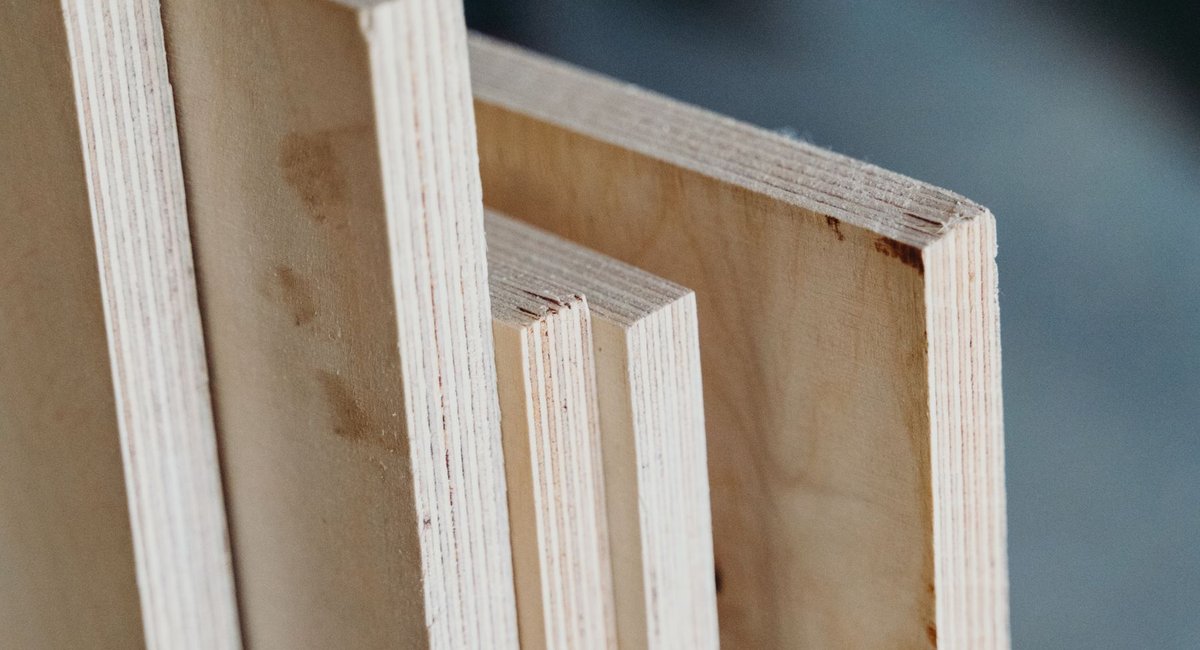
Formaldehyde emission classes for plywood, MDF and particleboard differ by country: E1 in Europe (0.1 ppm in a chamber test), F★★★★ in Japan (0.3 mg/L average in a desiccator test) and CARB Phase 2 in the United States (0.05–0.13 ppm depending on panel type). Figures from different test methods cannot be compared directly. For bedrooms and built-in wardrobes, ask for clear emission-class documents before you buy.
Key Facts
- Japan JAS: F★★★★ average ≤0.3 mg/L (max 0.4), F★★★ ≤0.5 mg/L (max 0.7), F★★ ≤1.5 mg/L (max 2.1), F★ ≤5.0 mg/L (max 7.0) (2026-11-04, source: Japan Plywood Inspection Corporation (JPIC) – JAS emission standards).
- In many EU countries class E1 is mandatory, with a limit of 0.124 mg/m³ or 0.1 ppm using the EN 717-1 chamber method (2023-07-20, source: Fraunhofer WKI, 20 Jul 2023).
- From 6 August 2026, Regulation (EU) 2023/1464 limits emissions from indoor furniture and wood-based articles to ≤0.062 mg/m³ (2023-07-20, source: Fraunhofer WKI, 20 Jul 2023).
- CARB Phase 2 limits: hardwood plywood 0.05 ppm, particleboard 0.09 ppm, MDF 0.11 ppm, thin MDF 0.13 ppm (2026-11-04, source: California Air Resources Board (CARB) – retailer guide).
Why formaldehyde emission classes matter
Formaldehyde is a colourless gas released mainly from the urea-formaldehyde glues used in plywood, MDF and particleboard. Indonesian manufacturer PT Kayu Lapis Indonesia in Kendal explains that emissions rise when wood is processed with heat and pressure, and boards that use a lot of glue release more. TÜV Rheinland notes that the EU classifies formaldehyde as a category 1B carcinogen. Since wardrobes, kitchen cabinets and bed frames put a lot of board into closed rooms, the emission class is worth checking just like thickness and glue class.
Reading the three main systems
Japan: F★★★★ (F4 Star)
The JAS system uses a desiccator test: a sample is sealed in a glass vessel with water, and the formaldehyde absorbed in the water is measured in mg/L. The top F★★★★ class was introduced in 2003 when Japan tightened its sick-house rules. More stars mean lower emissions.
Europe: E1 and the new REACH limit
E1 is measured in an EN 717-1 test chamber and expressed in mg/m³ or ppm of air. Since 6 August 2026 the EU applies a stricter limit of 0.062 mg/m³ for furniture and wood-based articles, so an E1 label alone is no longer enough for the European market. "E0" is a term traders often use, but it is not a uniform EN 717-1 class; ask for the number and the test method.
United States: CARB Phase 2 and TSCA Title VI
California sets limits per panel type in ppm. Hardwood plywood has the strictest limit (0.05 ppm) and thin MDF of 8 mm or less the loosest (0.13 ppm). According to CARB's guide, panels and finished goods must be labelled with the manufacturer name, production date and a compliance statement; the federal TSCA Title VI Compliant label is also accepted by CARB.
How to check when buying board
- Look for an emission stamp or label on the face or edge of the board, such as F★★★★, E1 or CARB P2, together with the mill name.
- Ask for a test report stating the method (JIS/JAS desiccator, EN 717-1 chamber, or a CARB/TSCA-recognised method) and test date.
- Do not compare mg/L with mg/m³ directly; the units come from different methods.
- For children's rooms and bedrooms, choose the lowest class available and seal every side of the board, including edges, with HPL, edging or paint.
- Ventilate the room for a few days after new furniture is installed before using it.
homeX, an integrated building materials and furniture platform in Indonesia with showroom, warehousing and delivery, can help you compare plywood, MDF and furniture by emission class and test documents.
Formaldehyde emission classes: related articles and products
- Plywood glue bond classes under EN 314-2
- MDF, particleboard and OSB classes
- Laminate flooring AC classes
- homeX building materials catalog
FAQ
What does F4 Star mean on plywood? It is the top class of Japan's JAS standard: average emission ≤0.3 mg/L and maximum 0.4 mg/L in a desiccator test.
Are E1 and F4 Star the same? No. E1 is measured in an EN 717-1 chamber (≤0.1 ppm) and F4 Star in a desiccator (mg/L). The methods differ, so the numbers cannot be equated.
Is E0 an official standard? E0 is not a uniform class in EN 717-1. Ask for the emission figure and test method, not just the label.
For building and renovation material needs, reach the homeX team on WhatsApp +62 821 1818 998, by email at homex9998@gmail.com or through our contact page.
Sources: Japan Plywood Inspection Corporation (JPIC) – JAS emission standards; Fraunhofer WKI, 20 Jul 2023; California Air Resources Board (CARB) – retailer guide; PT Kayu Lapis Indonesia, 9 Dec 2021; TÜV Rheinland – EU Restriction of Formaldehyde