VOC in Wall Paint: The 30 g/L Limit for Interior Matt Paint and How to Read the Label
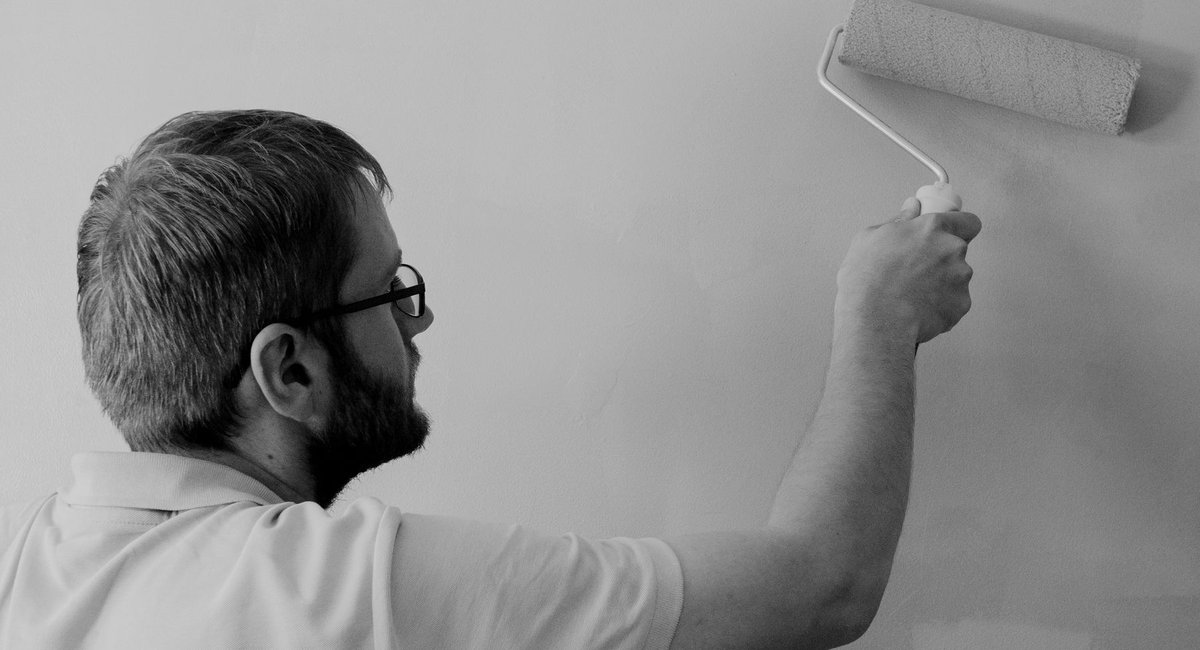
VOC in wall paint (volatile organic compounds) is easiest to judge in grams per litre of ready-to-use paint. A benchmark widely used by global manufacturers is EU Directive 2004/42/EC: since 1 January 2010, interior matt wall paint has been capped at 30 g/L, whether water-borne or solvent-borne. For bedrooms and living rooms, choose a wall paint with a clearly printed VOC figure on the can or technical data sheet, and ventilate while painting.
Key Facts
- Directive 2004/42/EC sets VOC limits for decorative paints in two phases: Phase I from 1 January 2007 and Phase II from 1 January 2010 (2026-11-05, source: Conphora, Paints Directive explained).
- Phase II: interior matt wall/ceiling coatings (gloss ≤25 at 60°) max 30 g/L for both water-borne and solvent-borne; Phase I was 75 and 400 g/L (2026-11-05, source: Paints for Life (CEPE)).
- Trim and cladding paints for wood and metal, Phase II: max 130 g/L water-borne and 300 g/L solvent-borne; varnishes and woodstains 130 and 400 g/L (2026-11-05, source: Paints for Life (CEPE)).
- Interior glossy wall coatings max 100 g/L; primers 30 g/L (water) and 350 g/L (solvent); exterior mineral wall coatings 40 g/L (water) (2026-11-05, source: Conphora, Paints Directive explained).
What VOCs are and why they are regulated
VOCs are organic compounds that evaporate into the air as paint dries. Part of the sharp smell after painting comes from them. The European Union regulates VOC content in decorative paints, varnishes and vehicle refinishing products through Directive 2004/42/EC, whose consolidated text is on EUR-Lex. Limits are stated in grams of VOC per litre of ready-to-use product, including any thinner added as instructed.
Indonesia does not apply this directive, but its g/L figures often appear on technical data sheets of imported paints and global brands, so they are a useful reference when reading labels.
Phase II limits for wall paint and wood/metal paint
Summaries by Paints for Life (the European paint industry association's site) and Conphora give the limits most relevant to homes:
- Interior matt wall and ceiling coatings: 30 g/L (water and solvent).
- Interior glossy wall and ceiling coatings: 100 g/L.
- Exterior mineral wall coatings: 40 g/L water-borne, 430 g/L solvent-borne.
- Wood and metal paints for frames, doors and railings: 130 g/L water-borne, 300 g/L solvent-borne.
- Varnishes and woodstains: 130 g/L and 400 g/L.
- Primers: 30 g/L and 350 g/L; binding primers 30 g/L and 750 g/L.
Water-borne paints almost always have much lower limits than solvent-borne ones, which is why emulsion wall paint is the usual choice indoors.
How to read a VOC label
- Look for a g/L figure on the can or technical data sheet (TDS). A "low VOC" claim without a number is hard to compare.
- Make sure the figure is for the ready-to-use product. Solvent thinners add VOC.
- Compare against the right category: matt wall paint against 30 g/L, metal paint against 130 or 300 g/L.
- Primer, filler and topcoat are counted separately; one paint system may involve several products.
Tips for painting a home with low VOC paint
Low VOC paint still needs ventilation: open windows, use an extractor fan if available, and leave time before a room is slept in. For new walls, prepare the surface as the manufacturer instructs, including an alkali-resistant primer on plaster that is dry enough. Store leftover paint tightly closed and away from heat.
homeX, a one-stop building materials and furniture platform in Indonesia with a showroom, warehousing and delivery, helps buyers compare paint data sheets from different brands before ordering.
VOC in wall paint: related articles and products
- Alkali-resistant primer for new walls
- Formaldehyde emissions of plywood and MDF
- Fire classes of building materials EN 13501-1
- homeX building materials catalog
FAQ
What VOC level counts as low for interior wall paint? As a benchmark, EU Directive 2004/42/EC Phase II caps interior matt wall paint at 30 g/L, in force since 1 January 2010.
Can metal and wood paints have higher VOC? Yes. The limits are 130 g/L for water-borne and 300 g/L for solvent-borne.
Does the VOC figure include thinner? EU limits apply to ready-to-use product, so thinner added as instructed is counted.
For building and renovation material needs, reach the homeX team on WhatsApp +62 821 1818 998, by email at homex9998@gmail.com or through our contact page.
Sources: EUR-Lex, Directive 2004/42/EC; Paints for Life (CEPE); Conphora, Paints Directive explained